Tribute to Adelaide Teixeira
The monumental woman
- Valter Hugo Mãe
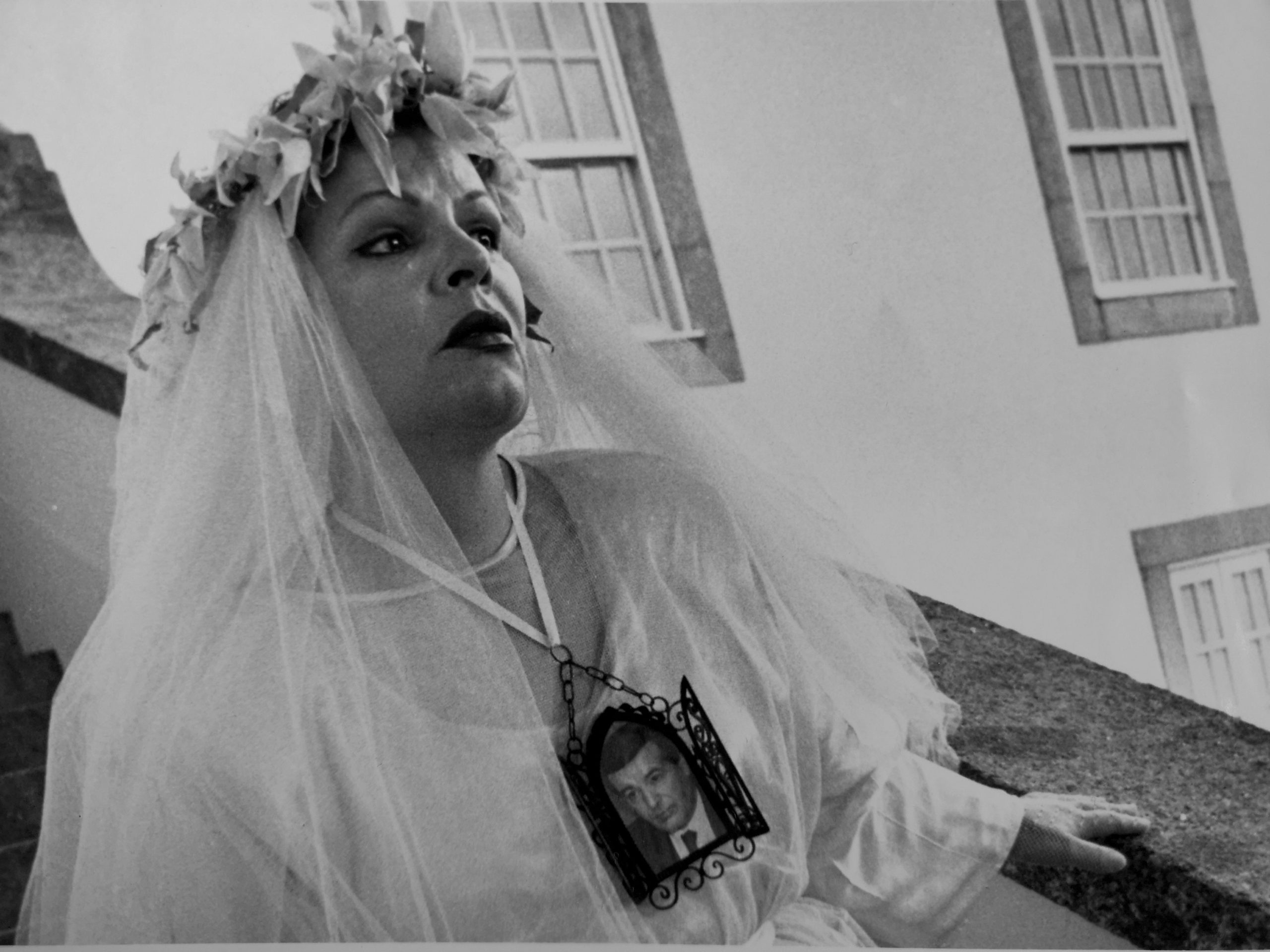
I noticed Adelaide Teixeira by her ancestral figure, a kind of old and sculpturesque way, as if she were a woman brought from stone, moving by the magic of enchanting a stone, and always possessing an incredible toughness, as those things that can’t be put down and resist endlessly. A woman like in the movies. She was entirely a woman like those in the movies.
For that, she was with Manoel de Oliveira and, as I’m sure you can easily understand, she’d mark any work in a single minute. She was like the passing of a small crowd, so great was her strength, so peculiar was her manner. She’d never function as a singular person, alone, as someone you wouldn’t remember. Adelaide Teixeira stars in every film with a unique presence but carrying on her shoulders an immensity of other women. She’s the figure of many women, evoking work and survival, evoking necessity and ingenuity, the gesture for care or for love, and the mistake you make. And she always has lungs, a breath coming about as if a woman of stone would breathe. As if the crowd would breathe. To me, sounding in a rhythm marked by effort, a musicality brought from what is deaf, you couldn’t hear it before. Adelaide Teixeira is the representation of many people, usually voiceless, turnless, carrying the flag of those more in need, those existing at the edge of a dream, of inclusion, of participation.
I don’t know how it started, but when Luís Vieira de Campos or Rodrigo Areias wanted to make movies with my texts, my only demand was that Adelaide Teixeira were on them, and they both love Adelaide and she played beautiful parts and she won prizes for them, and I became so conceited that I’m full of myself to this day.
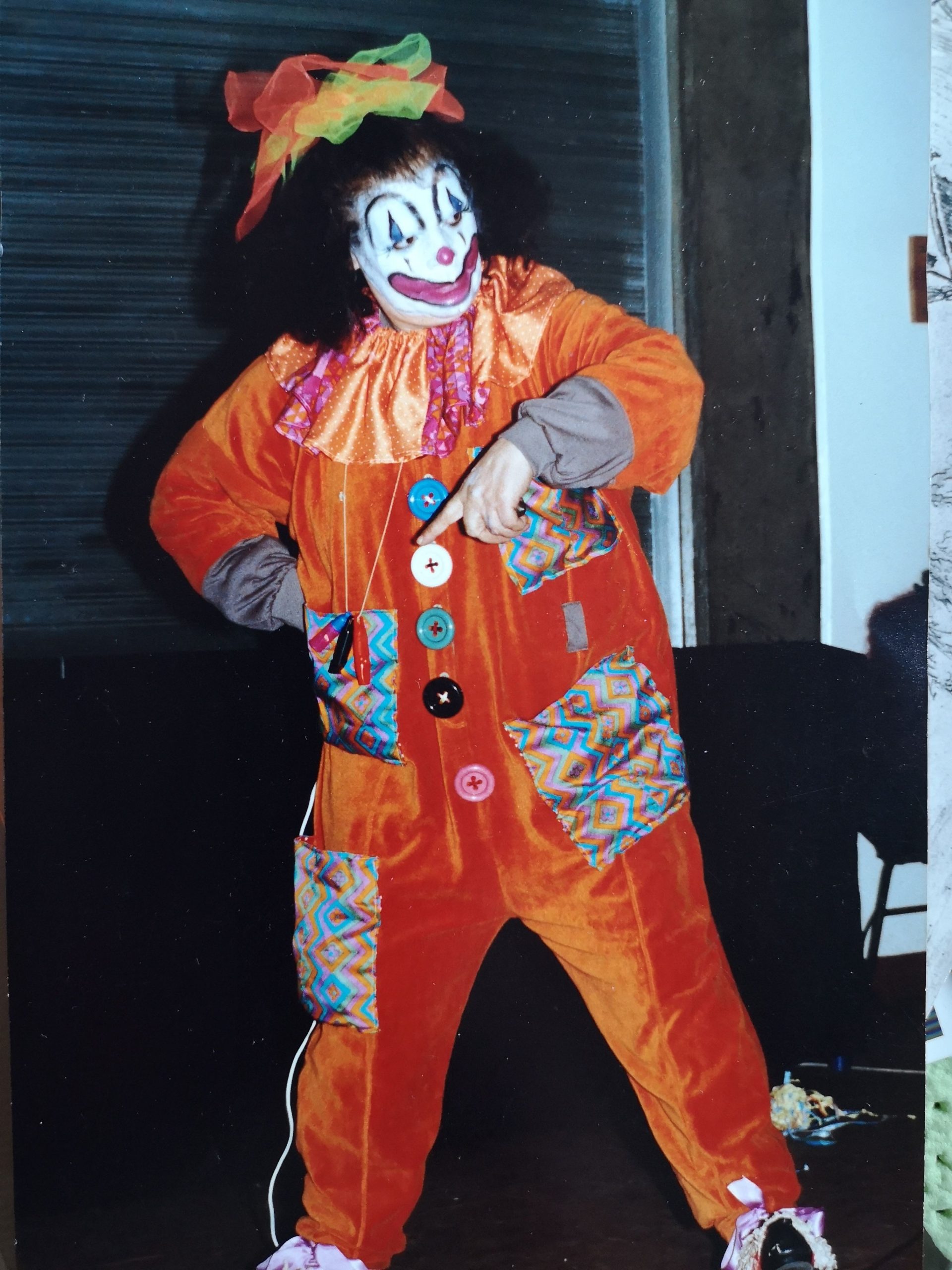
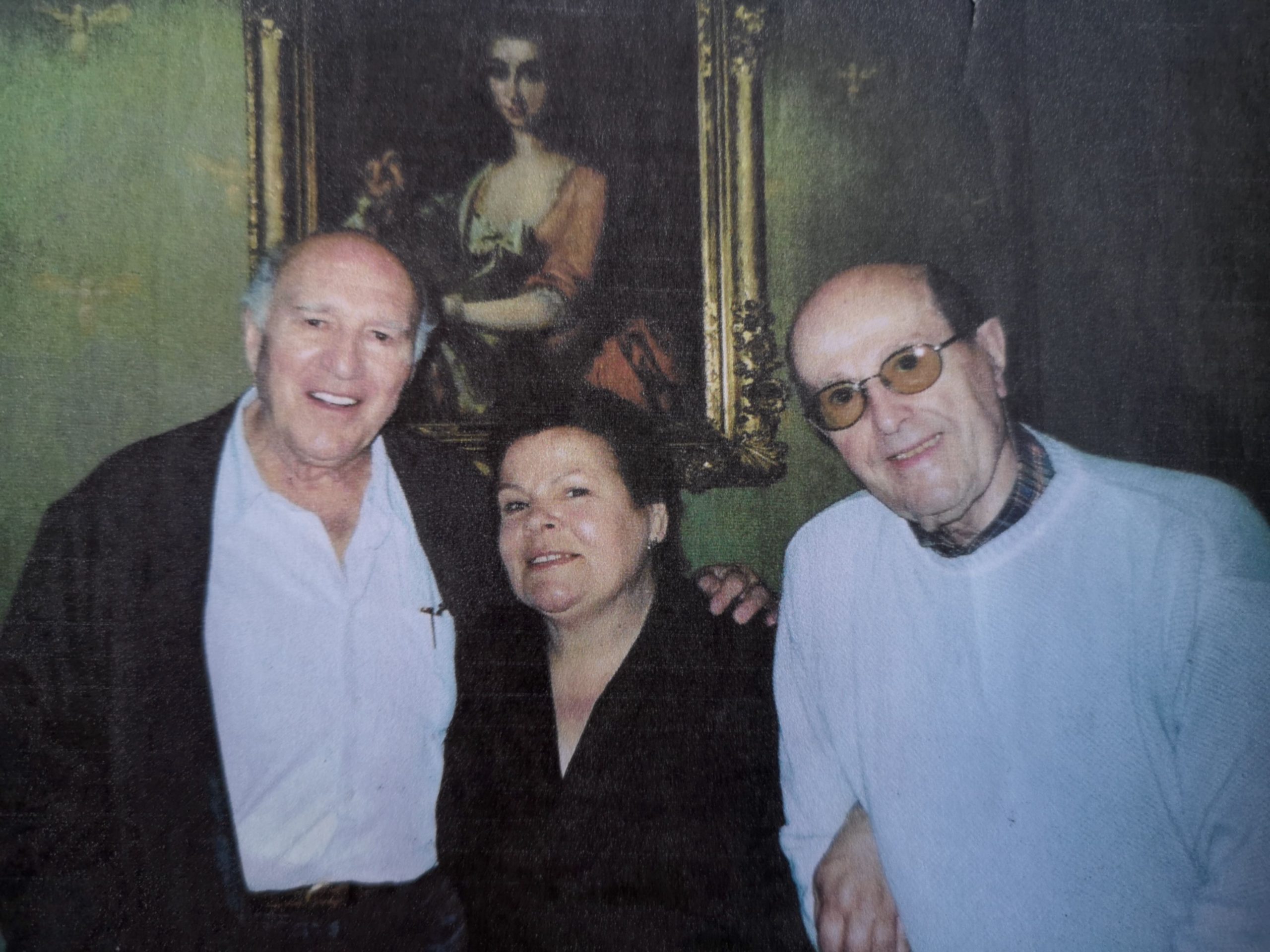
Vast is Adelaide Teixeira’s experience in cinema, and always enchanted. I mean, she never went into a film without the search for wonder. I watch her in this joyfulness once and again. She prepares for films with a travel bag and a one-way ticket, as someone who truly travels in enormous expectation, and there’s such a gratitude in her for calling her, for wanting her, that shines whole in her own light, as it happens to people that coincide with their deepest purpose in life.
As well as Oliveira or Vieira Campos and Areias, Adelaide Teixeira worked with so many other creators, such as Rita Azevedo Gomes, Margarida Gil, Edgar Pêra or André Gil Mata. If she’s desirable for more traditional parts, appealing to that thing of old face, that bust of ironclad dignity, it’s also true that she’s one of the most frequent figures of Edgar Pêra and his cinema of the future or of the timeless thought, a cinema that’s entirely sinapse, marriage between fury and revelry, a sort of glimpse of speed and doom. I really admire Adelaide Teixeira for running free, with no prejudice, because she’s profound generosity.
Someone presented the case for Adelaide Teixeira to debate resilience and joy in participating and assisting. I answered that Adelaide is simply not normal. Whatever she represents is way above the mere mortal. She’s to be studied by NASA, by the CIA, by the European Commission, by North Korea or by the Tesla team. It won’t be in this neighborhood that one will unravel what momentum drives this woman, what inexhaustible bravery rises from her, what motivation is there for such will for justice and parity, art and beauty, honesty and friendship.
Adelaide Teixeira is the most exuberant example of someone that won’t yield to any weariness. How many times senselessly, recovering from some operation or some other health hiccup, she still faces the intricate public transportation and join audiences in every event, equally marveled, marvelous, open to learn at least one single verse of one more poem to serve just as a smile for an instant. I, that have seen eighty countries and even invented books, have never seen an eighty year-old doing everything as if for the first time. As if she walked in an endless childhood and everything was still to be hers. I believe this is what’s more fascinating about Adelaide Teixeira, everything still belongs to her. She doesn’t postpone, she doesn’t renounce. She’s present and becomes fundamental in the dignity, in the prestige, of the events that occur.
I’m defending that Adelaide Teixeira is a monumental woman. She no longer signifies merely herself, she’s this collective that we’re all included in. She’s among us a magnificent plurality from which we take pride and motivation. She represents us. When we wish to say who we are, we may simply say we’re those from Portugal, those of Fernando Pessoa, those of Aurélia de Sousa, those of Fernando Lopes de Graça, those of Adelaide Teixeira.
Valter Hugo Mãe
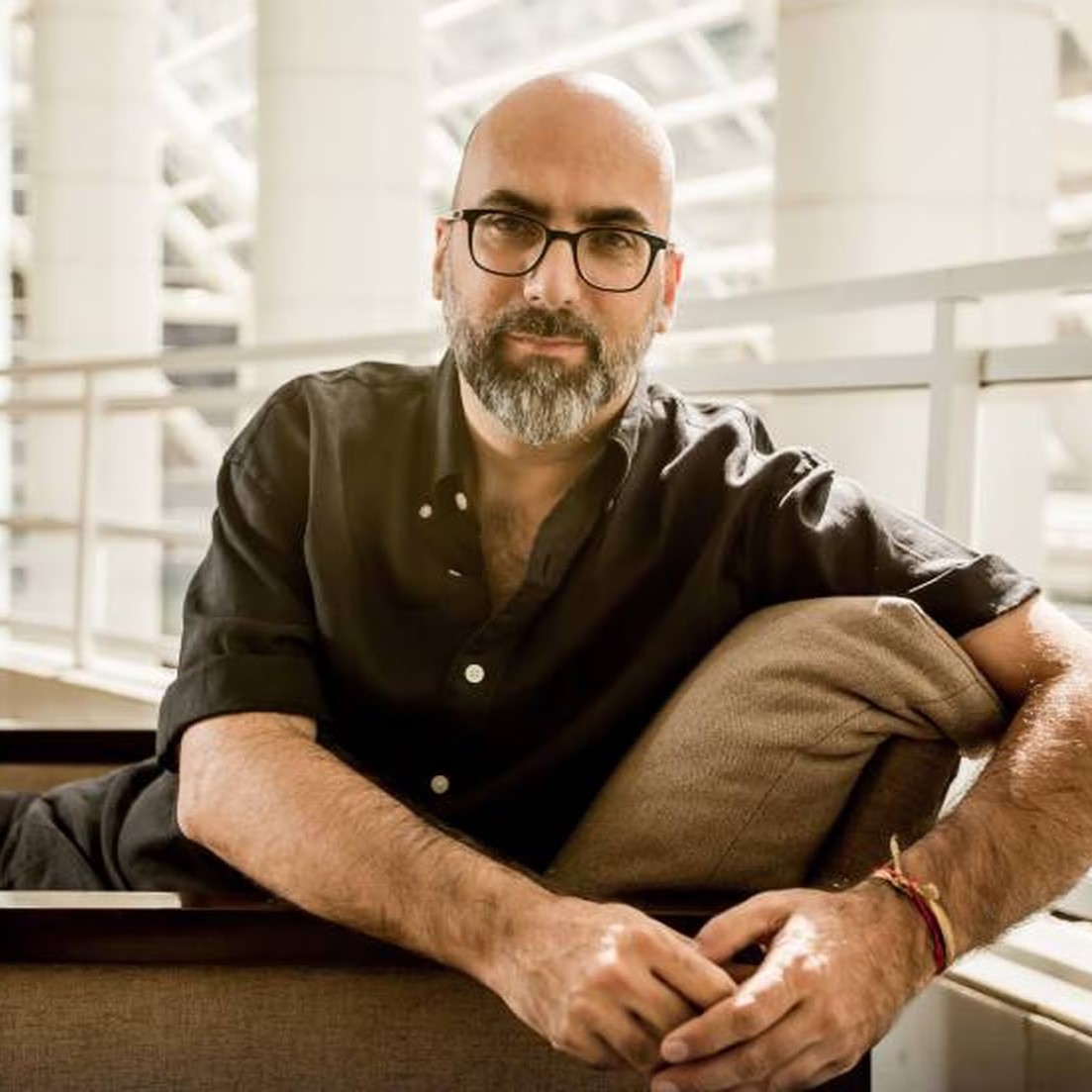
Born in 1971, in the Angolan city of Saurimo. He spent his childhood in Paços de Ferreira and lives in Faria, Barcelos. He graduated in Law and has a postgraduate degree in Modern and Contemporary Portuguese Literature.
Valter Hugo Mãe is one of today's most prestigious Portuguese authors. His work is published in several countries, namely Brazil, Germany, Croatia, Colombia, Spain and France. He has published nine novels, several illustrated books and short fictions.
He writes chronicles in Notícias Magazine and Jornal de Letras.
He has received some of the main literary prizes in the Portuguese language.

