
JURY PORTO FEMME '26
© Elin Halvorsen

© Nathália Santos
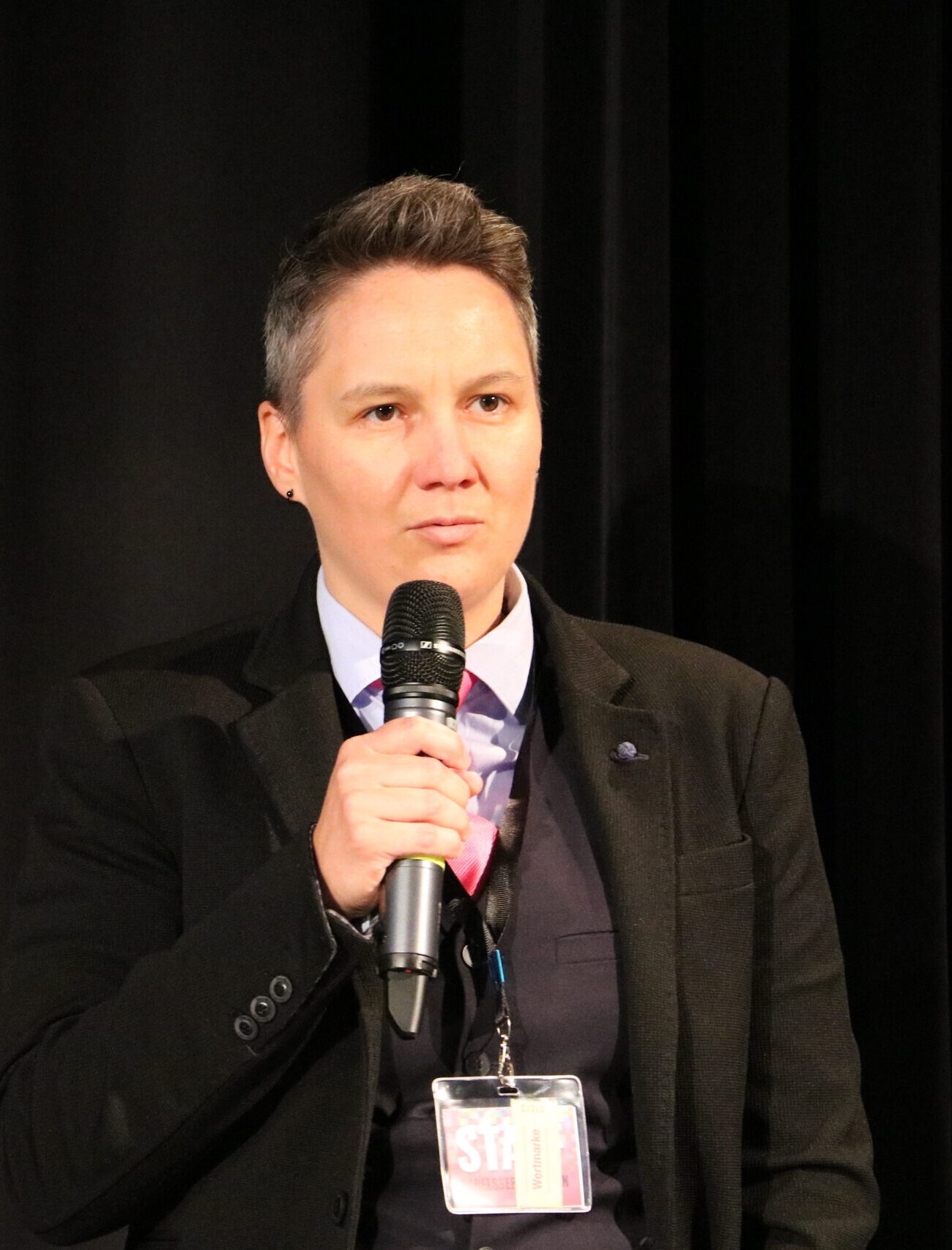
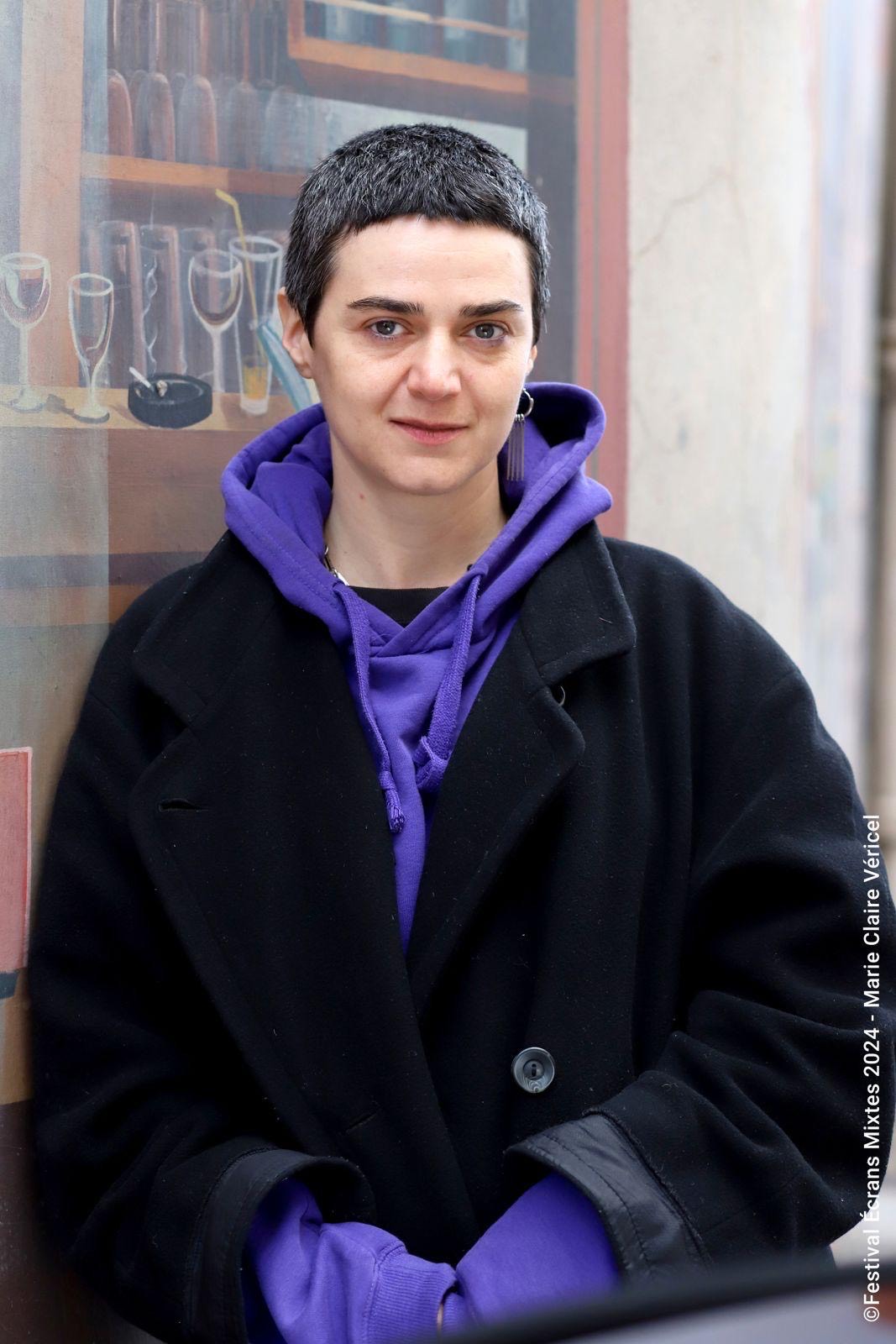
Skadi Loist
Skadi Loist (they/them/hen) is a professor in Film Studies at the Norwegian University of Science and Technology (NTNU) in Trondheim. Hailing from (East) Germany and having worked as assistant professor for Production Cultures at the Film University Babelsberg before moving, Skadi has led various international research projects and publications that focus on film festivals, film circulation, queer cinema, and sustainability and equity, diversity and inclusion in screen industries. They co-founded the Film Festival Research Network in 2008, worked with queer film festivals for over a decade in various capacities from archive intern, pre-selection, anniversary book editor and board member, earned a PhD with a thesis on queer film culture. They regularly serve on festival juries, for instance for Mezipatra, Uppsala, Berlinale Teddy Award and Kosmorama.
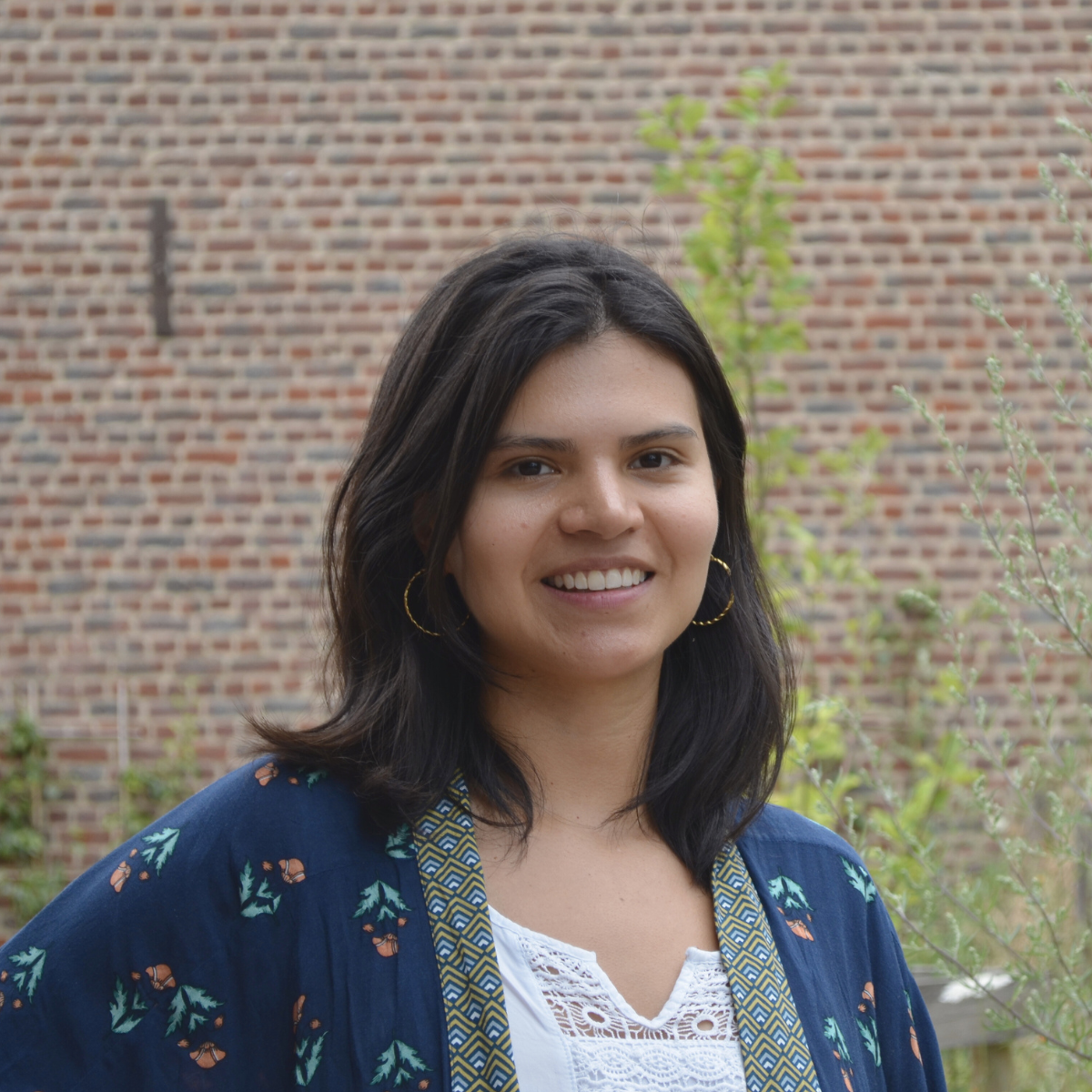
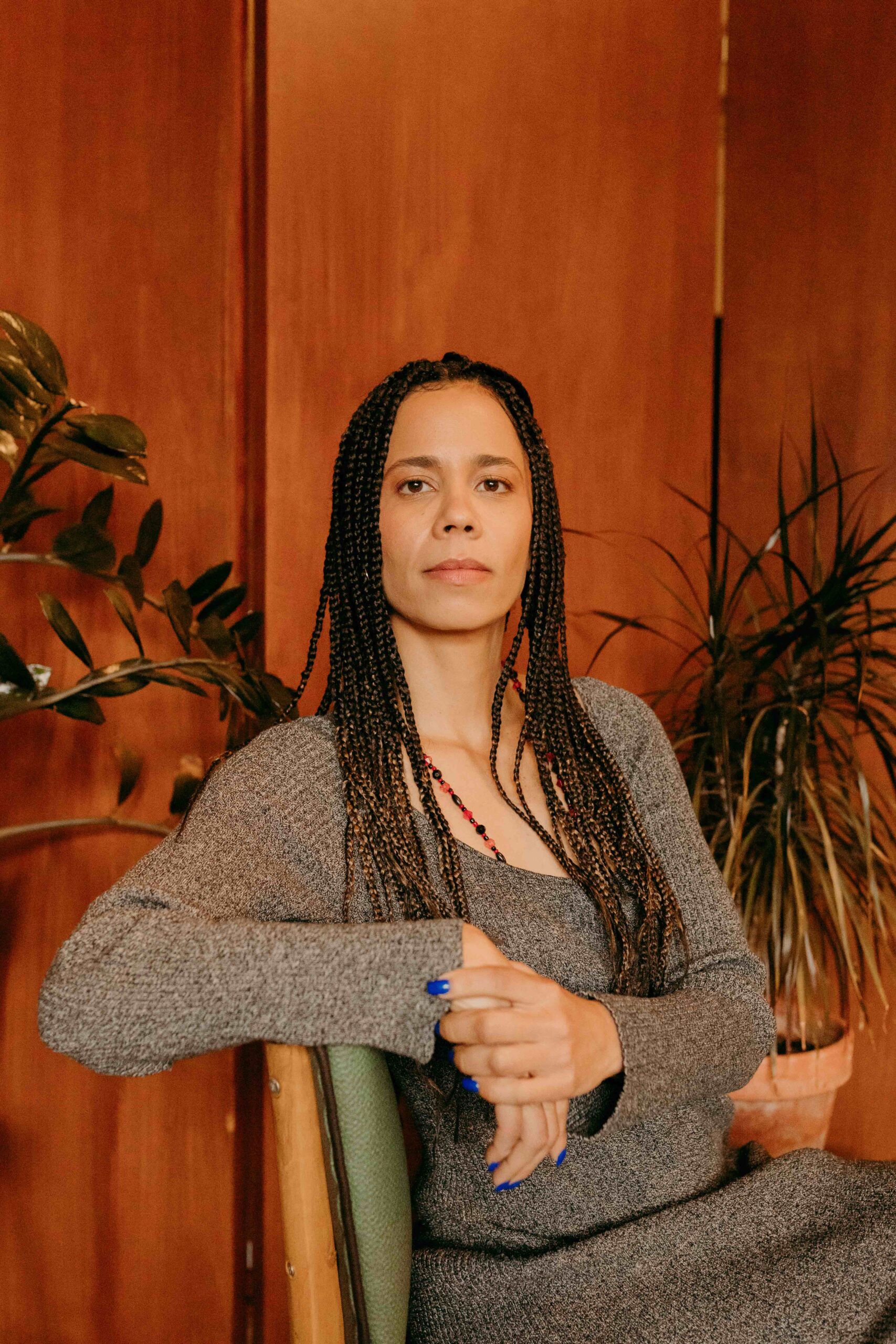
Paola Molano
Paola is a strategic designer working at the intersection of culture, communication, and social impact. Her interest in film began through her early experiences in art direction and production design for advertising. Since 2021, she has been part of Elles Tournent, a Belgian organization dedicated to promoting films made by women and organizing the Brussels International Women’s Film Festival (BIWFF), which will celebrate its 18th edition in October 2026. Within the organization, she contributes to the BIWFF film selection process and helps coordinate community screenings in Brussels, with the goal of bringing women’s cinema to wider audiences. Her main role at Elles Tournent focuses on strategic communication, contributing to initiatives that enhance the association’s visibility and support its mission to promote gender equality and combat gender discrimination in the film industry.
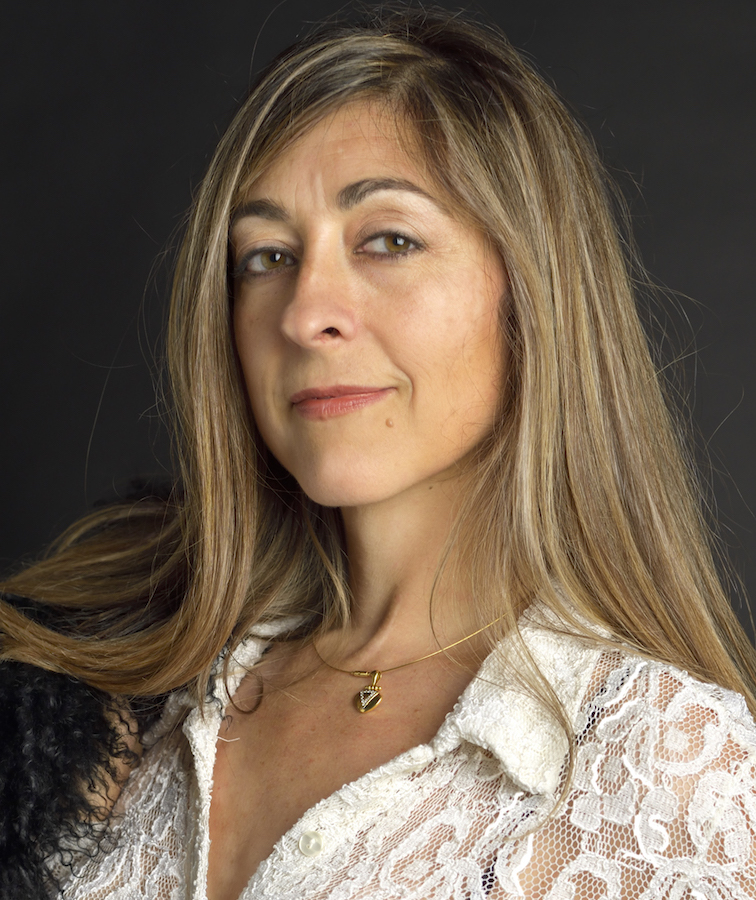
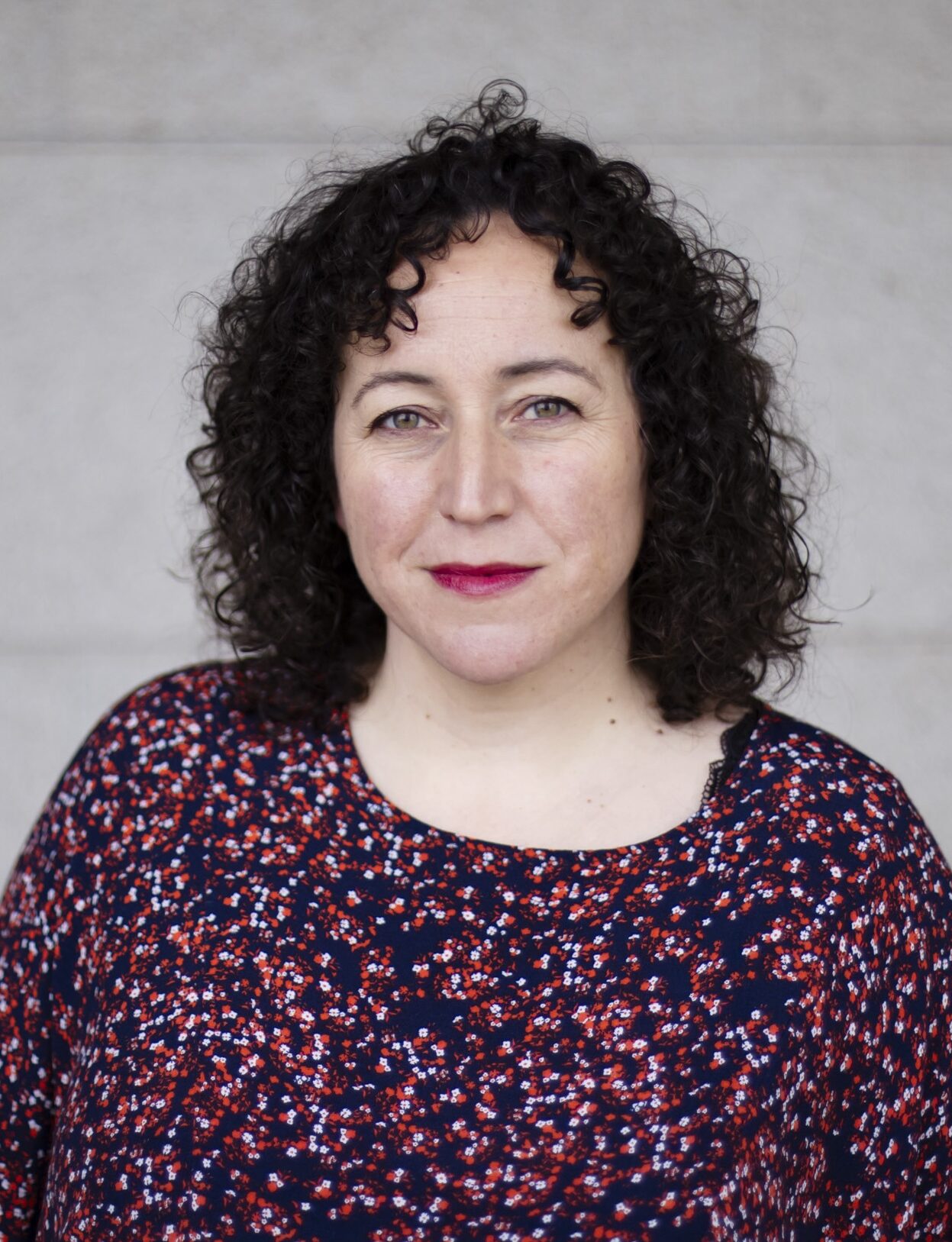
Alexia Muiños Ruiz
Alexia is a filmmaker and an expert in gender equality and communication. Despite her background in science and a master's degree in chemistry, she pursued a career in film and entertainment, receiving a scholarship from the Galician Agency to study film in New York and Barcelona. Since 2006, she has held numerous roles in the audiovisual sector, working both creatively as a writer and director and behind the scenes as a teacher, jury member, programmer and speaker at major international film festivals. She has a high level of expertise in the European gender arena and is strongly committed to the cause. In 2013, she joined the newly formed European Women's Audiovisual Network, contributing to the organisation and the groundbreaking pan-European study into the reasons for the lack of women directors in the European film industry. Alexia has been the Executive Director of the EWA Network since 2024. She has also played a significant role in Spanish gender film activism and founded the Catalan association Dones Visuals. She founded her production company, Marineda Films, and produced her debut film “Noche Transfigurada”, which received international acclaim. She also works as a freelance consultant, teaching film production and writing film reviews and articles.
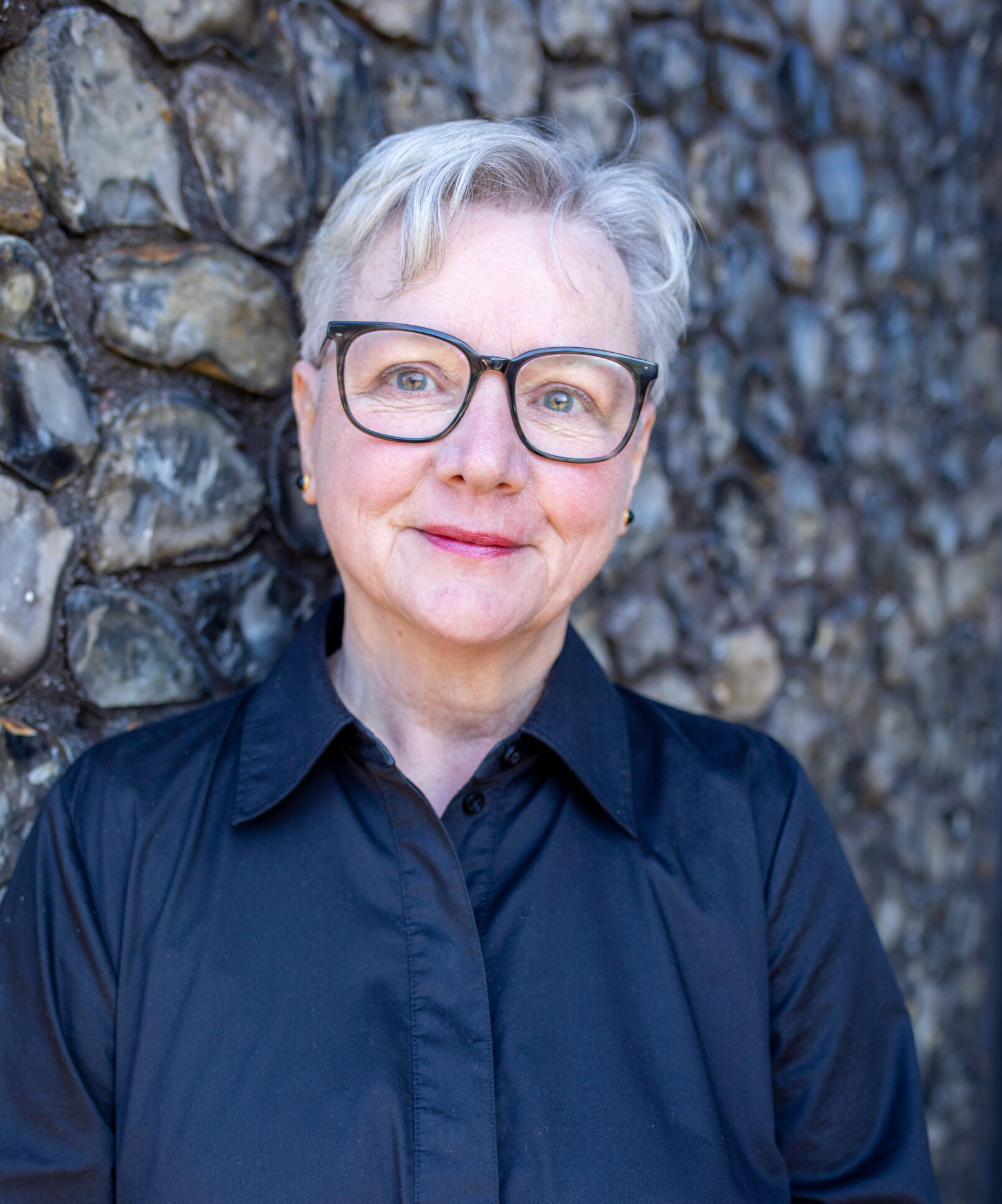
Elene Naveriani
Elene Naveriani, a Georgian director based in Switzerland, creates films that explore hidden lives and give voice to marginalized communities, particularly contributing to queer cinema. Their debut feature “I Am Truly a Drop of Sun on Earth”, premiered at Rotterdam and received multiple awards for its bold storytelling. Works like “Red Ants Bite” and “Lantsky Papa’s Stolen Ox” earned further acclaim, while their second feature, “Wet Sand”, premiered in Locarno and won Best Actor for its sensitive portrayal of love and loss. Most recently, “Blackbird Blackbird Blackberry” premiered at 2023 Director's Fortnight, winning several awards, including the Swiss Cinema Prize. Elene is currently working on “The Life of Lilia Peradze” and was recently awarded the Golden Queer Apple in recognition of their work in queer cinema.
Laurence Buelens
Laurence Buelens is a Belgian producer and director based in Brussels. In 2014, she founded Rayuela Productions, following a complete 180-degree shift in her professional path that led her to the University of Cinema in Buenos Aires to study documentary filmmaking. Prior to that, she studied journalism and international relations in Belgium. She produces auteur documentaries and, since 2019, short fiction films driven by singular visions. Her work moves between visual poetry and political engagement. Laurence is a member of the Documentary Association of Europe (DAE) and an alum of Rotterdam Lab 2023 and Eurodoc 2024. She advocates for a hands-on and committed approach to cinema, seeing production as a space for creation, listening, and emancipation. Among her recent productions are Pauline Beugnies’ creative documentary “Petites”, presented in the International Competition at Hot Docs 2022, winner of a SCAM Award, and nominated for the Magritte Awards 2023; and Salomé Crickx’s acclaimed debut short fiction “Se dit d’un cerf qui quitte son bois”, which premiered at Festival Regard, won multiple awards, and was nominated for the Magritte Awards 2024.
Letícia Simões
Letícia Simões (Salvador, 1988) is a Brazilian filmmaker, screenwriter, visual artist, and researcher, currently based between Brazil and Portugal. Her work intersects cinema, literature, and performance, exploring memory, territory, gender, and Afro-diasporic narratives. She has directed the feature films “Bruta Aventura em Versos”, “Tudo Vai Ficar da Cor que Você Quiser”, and “O Chalé é uma Ilha Batida de Vento e Chuva”, a trilogy dedicated to Brazilian marginal poetry, as well as the films “Casa”, “Nós”, and the recent “The Secret Lives of My Three Men”, presented at festivals such as Hot Docs, RIDM, and Cinélatino Toulouse. As a screenwriter, she collaborated on “Légua” by Filipa Reis and João Miller Guerra (Directors’ Fortnight, Cannes) and “Our Father – The Last Days of a Dictator” by José Filipe Costa (Rotterdam), and has written for filmmakers such as Marcelo Gomes, Hilton Lacerda, Jonathas de Andrade, Heloisa Passos, Roberta Marques, João Salaviza, and Renée Nader, among others. She holds a PhD in Communication Studies from UFRGS/University of Porto, with a thesis investigating life technologies in language within historically and socially traumatic contexts, produced by Black women. She has published three poetry books, the most recent being “Before Crossing the Atlantic” (Urutau Press).

© Rocio Cibes
© Skye Killgannon
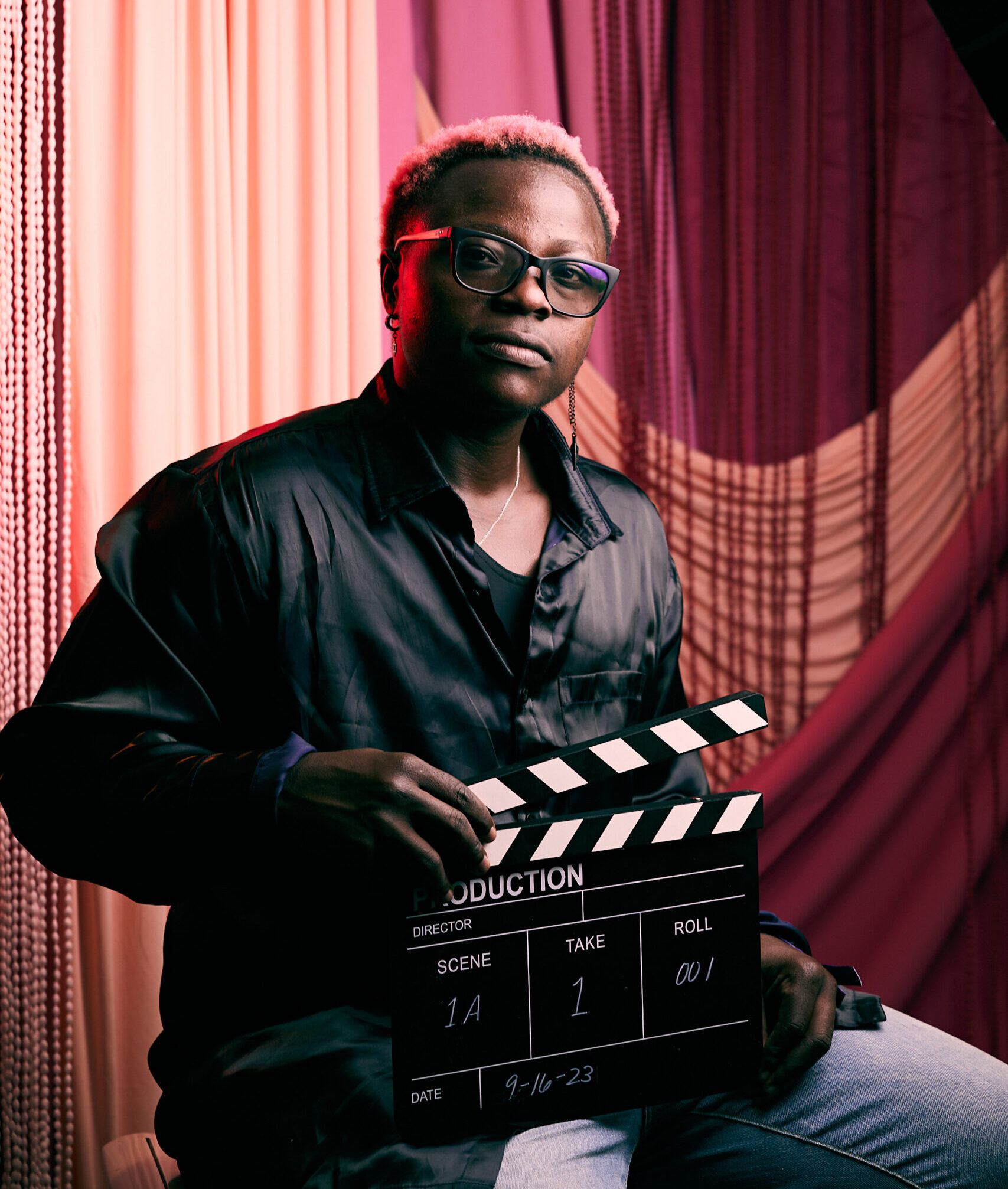
Nati Juncal
Nati Juncal Portas is a producer and co-founder of Cósmica Producións (Galicia). She has produced films such as *As Neves* (Sonia Méndez, 2024), which premiered in the Official Selection at the 2024 Málaga Film Festival and won the Mestre Mateo Award for Best Feature Film, *A poeta analfabeta* (2020), and the series *Antes de perder* (Mestre Mateo Award 2020). She is currently preparing Lucía Estévez’s debut feature film, *As Defensas*, and putting the finishing touches on *Desgarrada*, directed by Flávio Ferreira, which she is co-producing with Fado Filmes. She is also developing, alongside Pedro Neves (Red Desert), Melanie Pereira’s next documentary. She has also worked as a production manager on notable auteur films such as *Lúa Vermella* by Lois Patiño, *Longa Noite* by Eloy Enciso, *Matria* by Álvaro Gago, and *Prefiro condenarme* by Margarita Ledo. She is the Galician representative for CIMA, the Association of Women Filmmakers and Audiovisual Professionals, and a member of the Galician Association of Independent Producers (AGAPI). In 2024, she received the Mestre Mateo Award for Best Production Direction and was recognized by Variety as one of the 10 emerging Spanish producers to watch.
Nuala O’Sullivan
Nuala O’Sullivan is the founder of the Women Over 50 Film Festival. WOFFF, now in its 12th year, is a short film festival celebrating older women in front of and behind the camera. Nuala has been a series writer for the BBC Radio 4 drama ‘Brief Lives’. She is a contributing author to ‘Falling off a Cliff? Women, Ageing and the Screen Industries’. . In 2014 she wrote and produced a short film, ‘Microscope’, and it was her experience of submitting this short film to film festivals and attending festivals that brought home to her how underrepresented older women were on both sides of the camera. She set up WOFFF as a positive and practical response to this lack of visibility so that older women in film would have a platform dedicated to them and their work.
Adebusola Adeboyejo
Adebusola Adeboyejo is a multidisciplinary filmmaker, media producer, and writer working across film, documentary, and experimental media. Their work explores labor, authorship, displacement, and power, with a focus on how people navigate systems that were not built with them in mind. Across multiple countries and institutional contexts, they develop projects that bridge personal narrative and structural critique. Alongside filmmaking, they write and research contemporary media cultures, with particular attention to queer and diasporic perspectives.

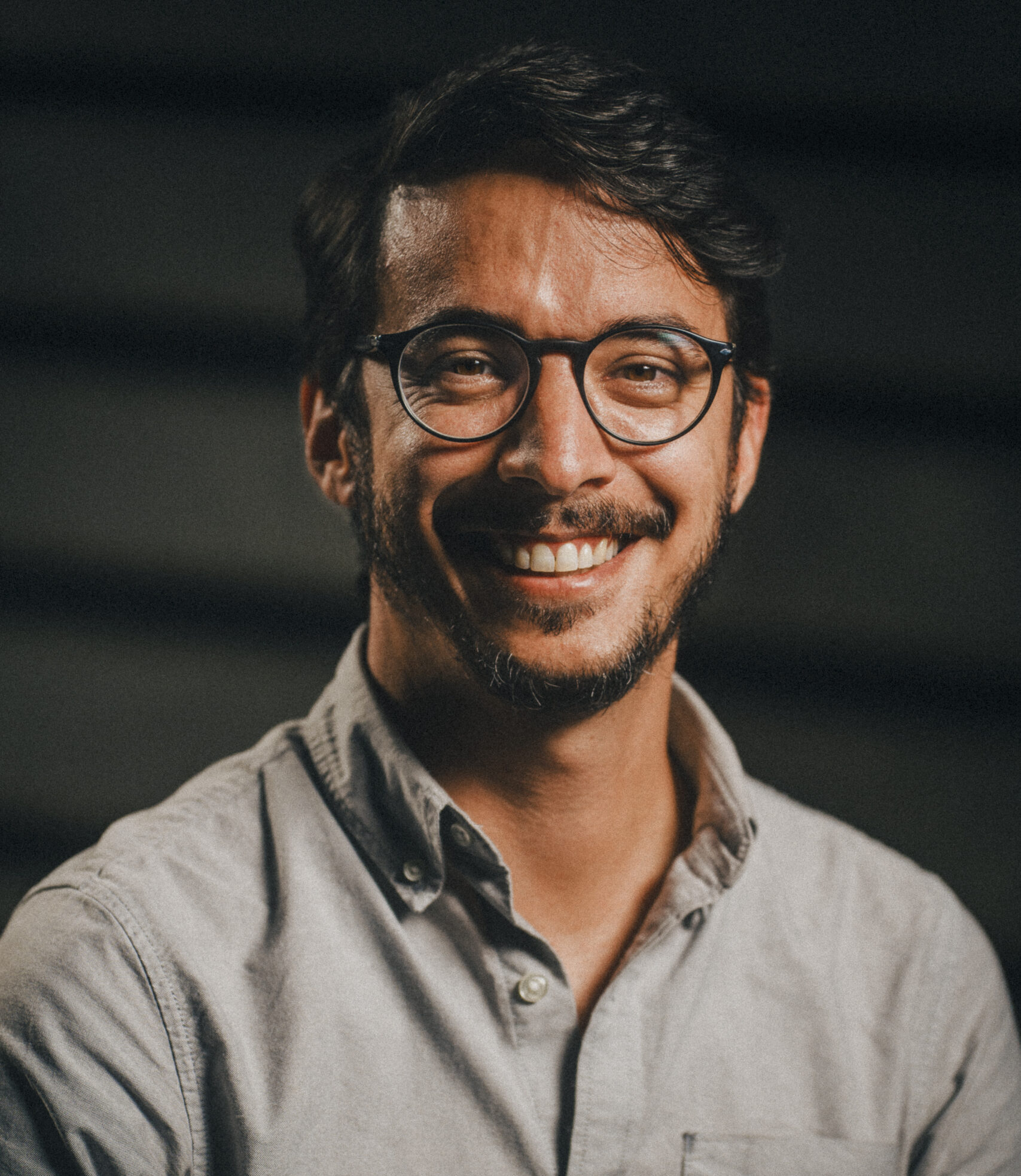
António Morais
António Morais is a Director of Photography, Photographer, and Lecturer. He is an invited member of the Associação de Imagem Portuguesa (AIP), a Sony Independent Certified Expert (ICE), a Sony Imaging Europe Ambassador, and a Fujinon Ambassador in Portugal. He holds a Master’s degree in Audiovisual Production and Directing from P.PORTO (IPP-ESMAD) and a Bachelor’s degree in Sound and Image from the Universidade Católica Portuguesa – School of Arts (UCP-Porto). He also completed specialised professional training in Photography at the Instituto Português de Fotografia (IPF-Porto). He has been working as a Director of Photography and Lecturer since 2009.
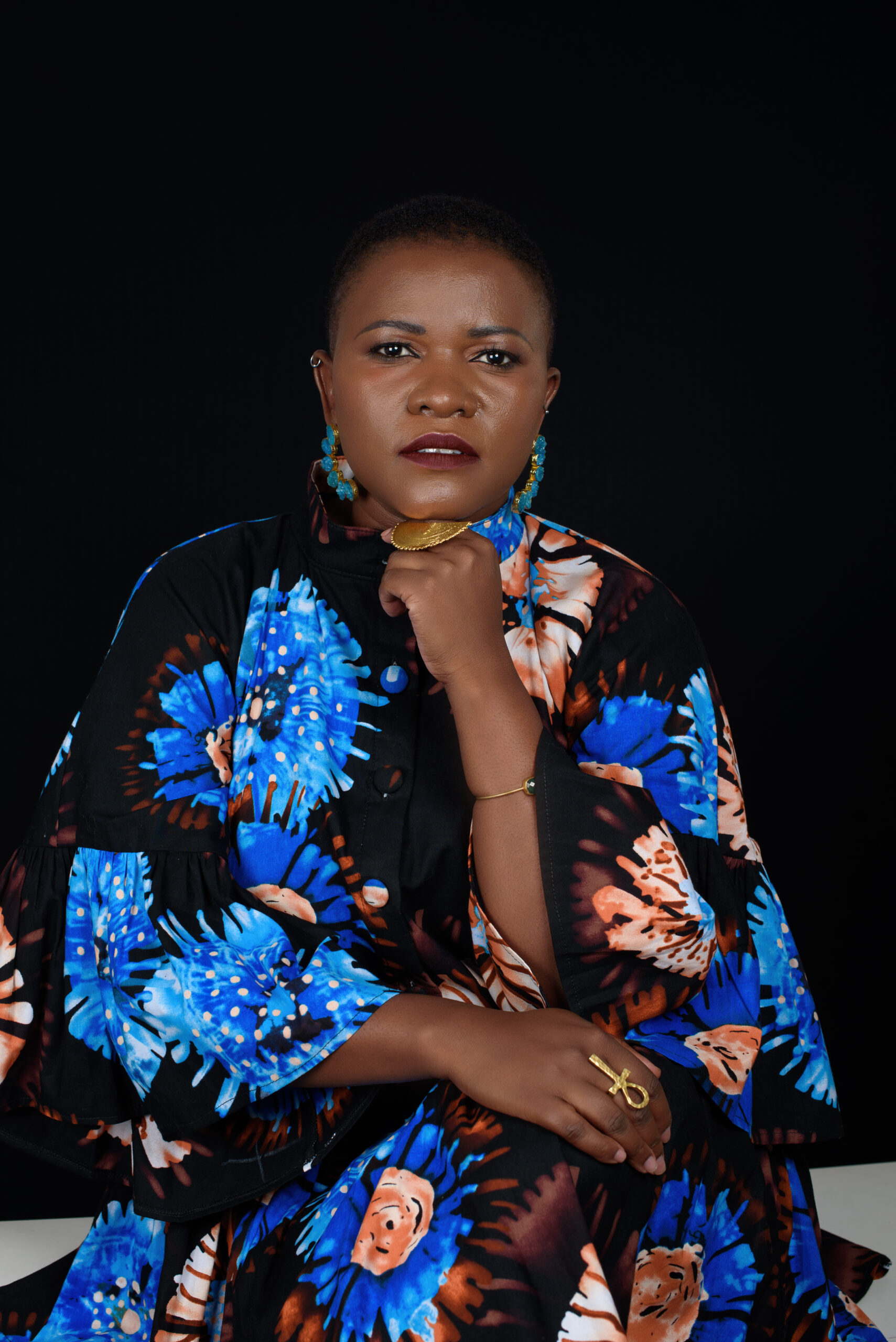
Rosebel Kagimure
Rosebell Kagumire is a Pan-African feminist media worker, thinker, and activist whose work is grounded in feminist world sense-making, counter-public imaginaries, and decolonial
narratives. She is the Curator and Editor of African Feminism, an influential online platform amplifying feminist voices across the continent, and a columnist for New Internationalist Magazine. A founding member of the African Feminist Collective on Feminist Informed Policies (AfIP Collective) and a member of the Editorial Board of Minority Africa. Rosebell is currently a PhD candidate in Digital Media at the University of Porto. She has written the chapter "Our Struggles Are One: Pan-African Feminists Keeping Palestine Solidarity Alive" in the March 2026 anthology “Rising for Palestine: Africans in Solidarity for Decolonisation and Liberation”. She holds a Master's degree in Media, Peace and Conflict Studies from the UN-mandated University for Peace in Costa Rica and a Bachelor's in Mass Communication from Makerere University, Uganda.
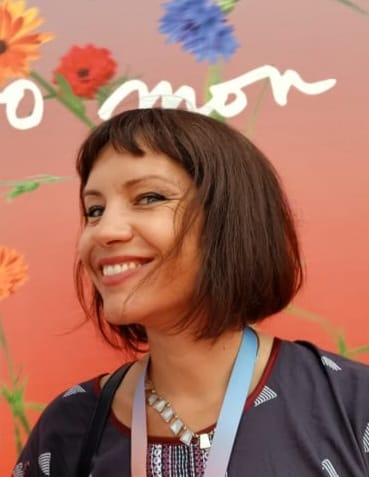
Ana Grgić
Ana Grgić is a scholar and cultural worker specialising in the Balkan region, cultural heritage and moving image history. She studied Cinema and Audiovisual Studies at the Sorbonne Nouvelle in Paris before obtaining a PhD in Film Studies at the University of St Andrews in Scotland. She works as an independent filmmaker, writer and researcher in Thessaloniki, Greece, and teaches documentary cinema and production and audiovisual heritage at Babes-Bolyai University in Cluj-Napoca, Romania. She has published widely on different aspects of Balkan and East European cinema, women’s film heritage, visual culture and film history. She is author of Early Cinema, Modernity and Visual Culture: The Imaginary of the Balkans (Amsterdam University Press, 2022), and co-editor of Stretching the Archive - Global Women’s Film Heritage (Archive Books, 2024) and Contemporary Balkan Cinema: Transnational Exchanges and Global Circuits (Edinburgh University Press, 2020). She has also held numerous leadership and advisory roles, including on film festival juries (Thessaloniki International Film Festival, Astra Documentary Film Festival, Golden Rose Film Festival), and collaborated on film heritage projects (the Creative Media funded 5C project, Archives in Motion and Feminist Film Heritage).
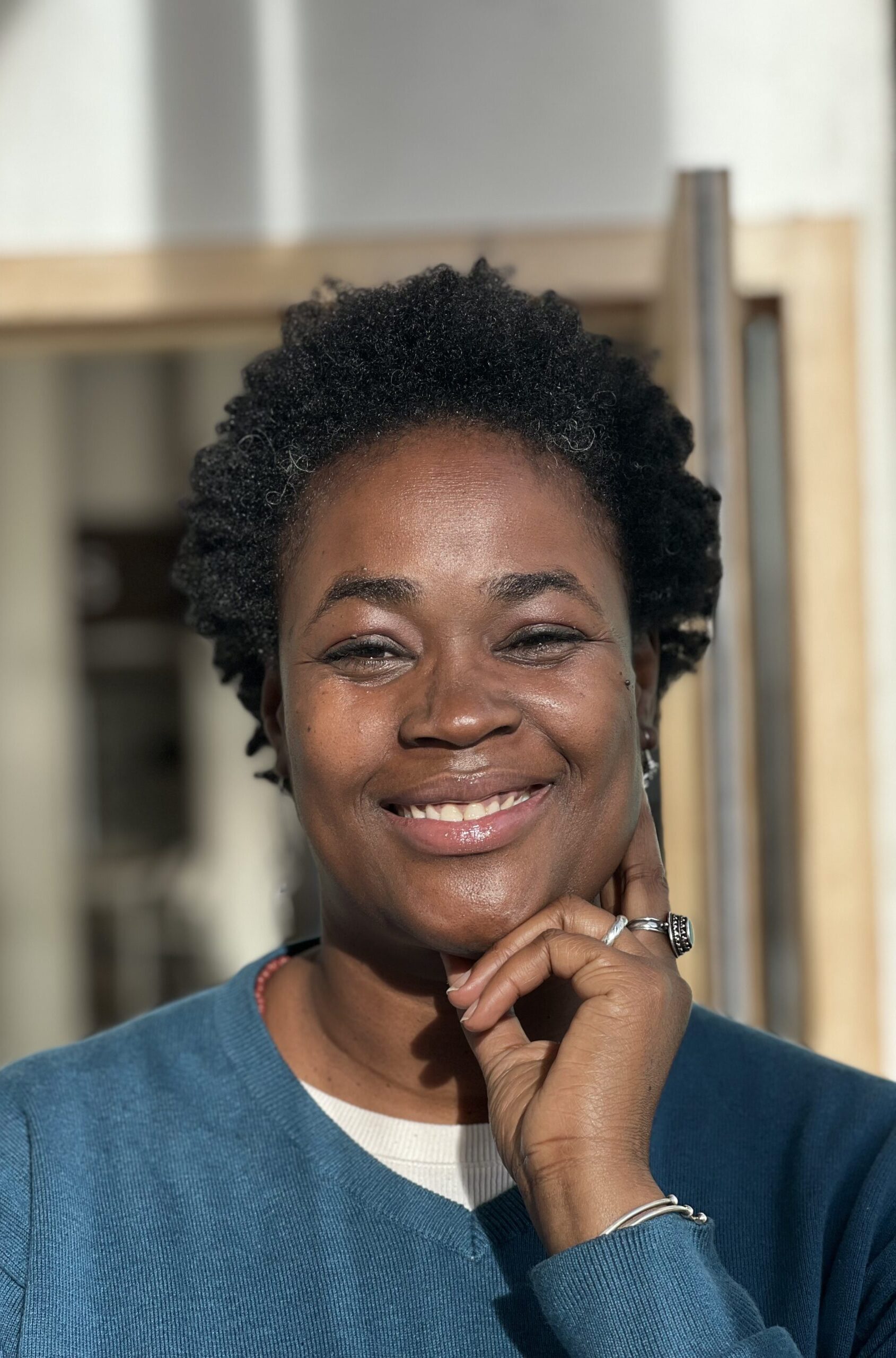
© Nuna
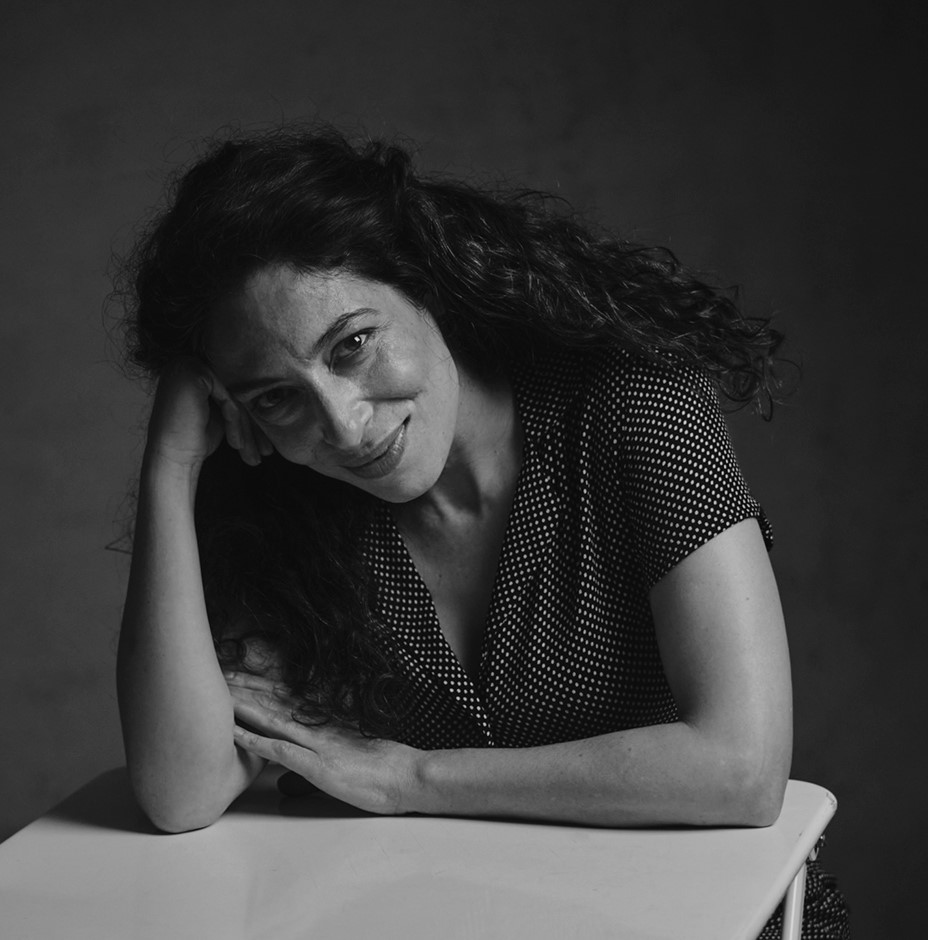
© Filipe Ferreira
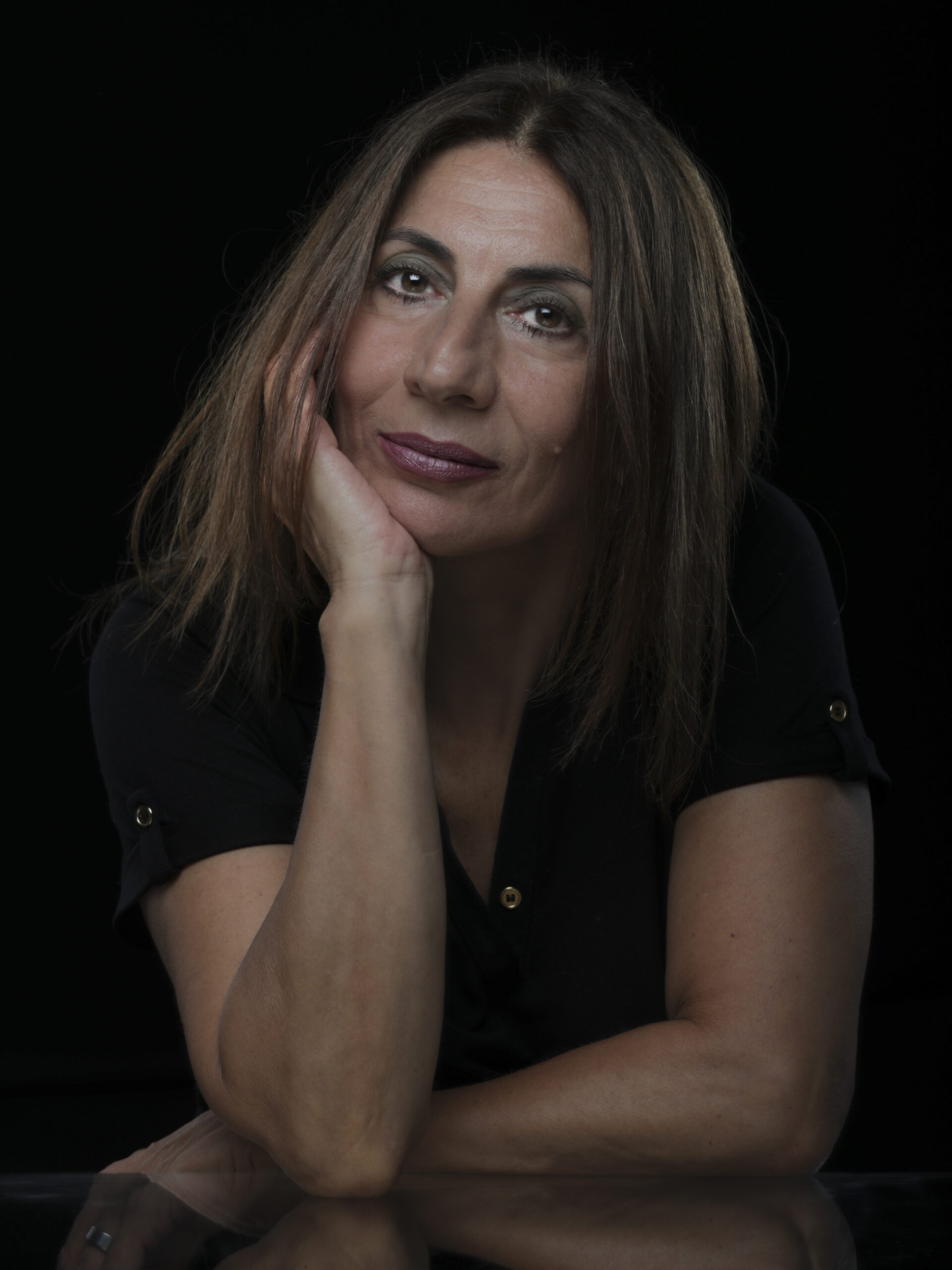
© Pedro Figueiredo
Aoaní
Aoaní (1984) is an actress, playwright, screenwriter, director, producer, and journalist. A native of São Tomé and Príncipe, she lives in Lisbon. She holds a bachelor’s degree in Mass Communication–Journalism from FANOR in Fortaleza, Ceará, Brazil; a master’s degree in Theater–Performing Arts from the Escola Superior de Teatro e Cinema (IPL) in Lisbon; and is currently pursuing a Ph.D. in Film Studies at the Faculty of Arts of the University of Coimbra. She lived in Angola, where she worked for nearly a decade in the media industry and published the book *Miopia Crónica* with the publisher Chá de Caxinde in 2012. Since 2017, she has been working as an actress in theater, film, and audiovisual productions, collaborating with figures such as Zia Soares, Xie Xiaodong, and Jeremy Meier. Her work has been shown in Portugal, Germany, Brazil, Italy, Australia, São Tomé and Príncipe, the United States, Guinea-Bissau, Argentina, Romania, and China. In 2023, she co-directed, with Joyce Souza, the video performance “Kabeça,” a short film that won awards at several festivals. That same year, again in partnership with Joyce Souza, she was one of the winners of the 4th edition of the O Espaço do Tempo, BPI, and “la Caixa” Foundation Creation Grants, with “Kabeça – Ori,” a project funded by the Portuguese Republic—Culture I DGARTES—Directorate-General for the Arts. In 2026, she produced and directed the short documentary “Abismo” and the pilot episode of a series still in development. She was selected by the EFM Market Badge Inclusion Initiative to attend the Berlin International Film Festival—Berlinale 2026, a participation supported by the Calouste Gulbenkian Foundation. She contributes to “Avenida Marginal” on RDP África and writes for Buala.
Margarida Carvalho
Margarida Carvalho began her acting career with the Sindicato de Poesia in Braga. She worked with Teatro Aquilo in Guarda from 2000 to 2001. That same year, she began her theater studies at the Escola Superior de Música e Artes do Espectáculo in Porto (ESMAE), which she completed in 2005. Since then, she has worked as an actress in theater, film, and television. She received the RTP/SPA Authors Award for Best Film Actress for the movie *Veneno Cura* in 2010 and was nominated for a Golden Globe in the Best Film Actress category for the same film. In 2023, she completed her Master’s degree in Performing Arts—Artistic Direction at ESMAE. She is currently on tour with the play *Guião para um país possível*, directed by Sara Barros Leitão.
Né Barros
Né Barros, choreographer and researcher at the Institute of Philosophy (University of Porto). Co-founder of Balleteatro and the Family Film Project—International Film Festival of Archives, Memory, and Ethnography. She has developed her artistic work in conjunction with her academic studies and research. She began her training in classical dance and later studied contemporary dance and choreographic composition in the United States (Smith College). She holds a Ph.D. in Dance (University of Lisbon) and a Master’s degree in Dance Studies (Laban Centre, London). She completed a postdoctoral fellowship at the Institute of Philosophy, focusing on aesthetics and the performing arts. She studied theater (ESAP). As a choreographer, she has collaborated with various visual artists, photographers, musicians, theater directors, and multimedia artists. She has worked with the National Ballet Company (awarded Best Choreography), Ballet Gulbenkian, and Aura Dance Company (Lithuania). She has published several articles and is the author of the books , including “Choreographies: Essays on Dance and Philosophy” (forthcoming), “Performances and Post-Phenomenology”, “On Materiality in Dance”, and “Dance: Body and Home”. She has also edited volumes such as “Performances in the Contemporary, Displacements of Intimacy, Performing Arts: New Discourses, Of Family Images, Story Case Print” (2009), and “Metamorphoses of Feeling”. She is co-director of the book series “Aesthetics, Politics and Art and War Machines”, published by the Faculty of Arts and Humanities of the University of Porto (FLUP). She is a professor at ESAP and a guest lecturer at various institutions.
Ana Catarina Pereira
Ana Catarina Pereira is a professor at the University of Beira Interior. She holds a Ph.D. in Communication Sciences from the same university, is a researcher at LabCom, and serves as director of the Master’s program in Cinema at UBI. She was the principal investigator for the project “Speculum: Filming Oneself and Seeing Oneself in the Mirror: The Use of Self-Narrative by Portuguese-Speaking Documentary Filmmakers” (FCT), for which she received the UBI-CGD Young Researcher Award in the Arts. She holds a bachelor’s degree in Communication Sciences from Universidade Nova de Lisboa and a master’s degree in Human Rights from the University of Salamanca. As a journalist, she has contributed to *Notícias Sábado* and *Notícias Magazine* (Diário de Notícias), the newspaper *i*, and the magazines *Focus*, *Up*, *Saber Viver*, and *Happy Woman*. She was also a co-founder and director of Magnética Magazine; director of the Cultural Studies program at UBI; coordinator of the Film Studies Working Group at Sopcom; and FAL representative on the Commission for Equality. She is the author of the book “The Woman Filmmaker: From Art for Art’s Sake to an Aesthetic of Differentiation” and has co-edited several works on film studies.
Carla Cerqueira
Carla Cerqueira holds a Ph.D. in Communication Sciences—with a specialization in Communication Psychology—from the University of Minho (2012) and completed postdoctoral research in the same field. She is currently an associate professor at Lusófona University, director of the Ph.D. program in Communication and Activism, a researcher at CICANT—the Center for Research in Applied Communication, Culture, and New Technologies—and a collaborator at CECS—the Center for Communication and Society Studies. Her research interests include gender, feminism, intersectionality, social movements, activism, digital citizenship, and media. She participates in various national and international research projects. She is the coordinator of the Research and Policy Committee of GAMAG—Global Alliance on Media and Gender. She serves on the board of APEM—Portuguese Association for Women’s Studies, on the RTP Advisory Council, and is a member of the Ethics Committee of ECREA—European Communication Research and Education Association. She co-coordinates DivintLab—CICANT’s Diversity and Communication Laboratory—and is part of the coordination team for the Intercultural Communication Working Group of SOPCOM—the Portuguese Association of Communication Sciences. She has been active in numerous nongovernmental organizations in the field of human rights, particularly women’s rights.
Mónica Rocha
Mónica Rocha was born in Porto in 1971. An executive producer in the cultural sector, she is driven by the belief that art is a space for encounter, dialogue, and transformation. Throughout her career, she has been involved in artistic and cultural exchange initiatives with Brazil, Mozambique, and Cabo Verde, experiences that have strengthened her commitment to cultural diversity. She has also contributed to the organisation of exhibitions and art auctions, actively supporting the cultural sector. While she values formal education, she considers her most meaningful learning to come from lived experience and human connection. Guided by principles of respect and empathy, she takes an active stance against social injustices. She also finds a space for balance, discovery, and expression in manual creation.

