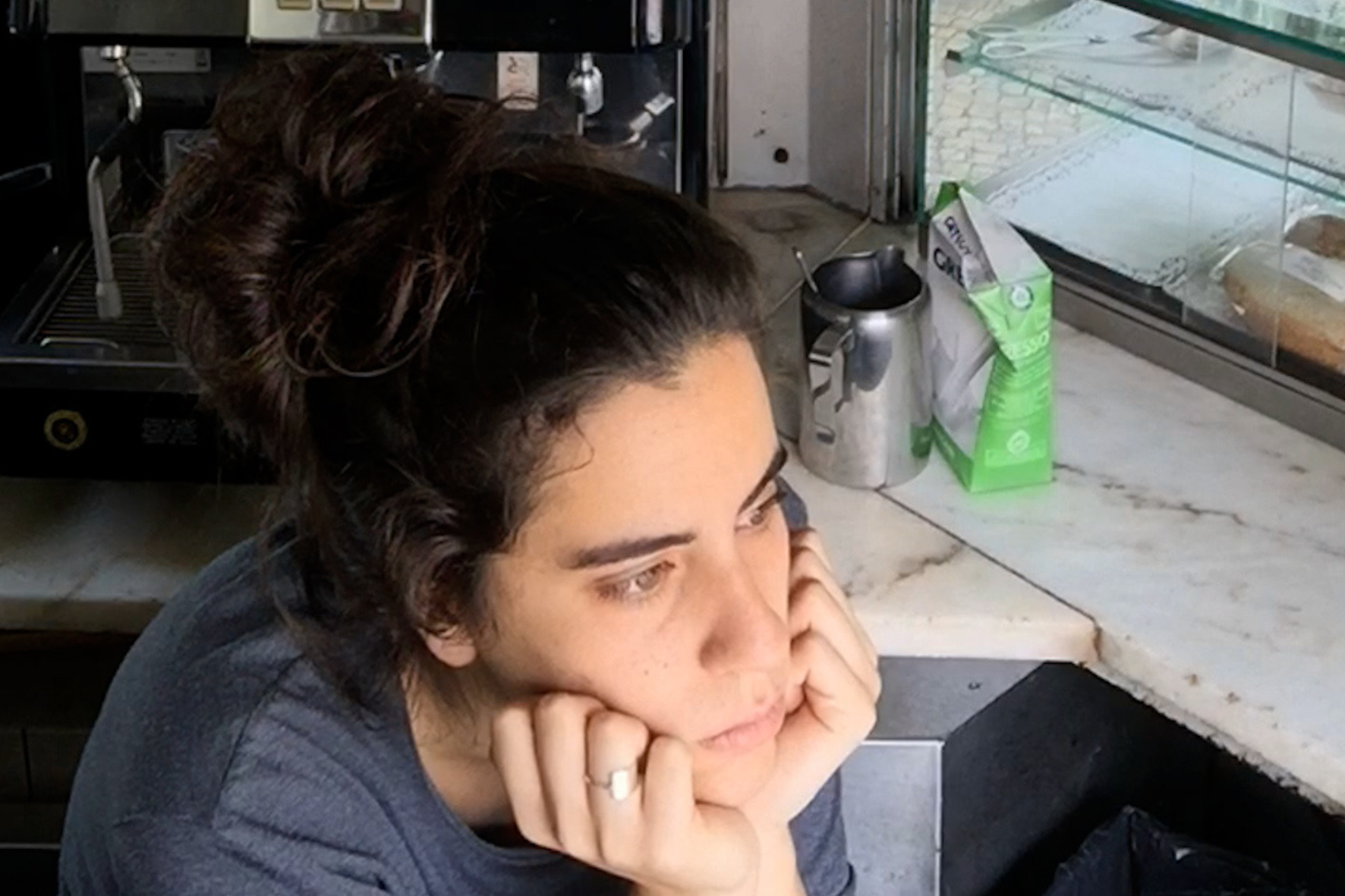
“As Flores” by Madalena Fragoso | Portugal | 62’ | doc | 2025 | Regional Premiere
Synopsis:
As seasons change over the course of a year, a square in the center of Lisbon shifts. Repetition is observed through the four windows of a kiosk.
Madalena Fragoso:
Madalena Fragoso, born in Lisbon in 1992, is a Portuguese filmmaker whose work sits at the border between documentary and fiction, adopting a formally free and observational approach. Trained at the Escola Superior de Teatro e Cinema, her films often emerge from prolonged engagement with places and people, revealing layers of intimacy, repetition, and a poetic attention to everyday life.
In 2022 she co‑founded NOVOCINE, a free digital platform dedicated to promoting independent Portuguese‑language cinema, aimed at extending the life of little‑shown films and widening access to experimental and auteur works.
Her second feature, As Flores (62′, 2025), is a documentary filmed over the course of a year from the windows of a kiosk in Praça das Flores, Lisbon. Previously, she co‑directed A Casa e os Cães (62′, 2019) with Margarida Meneses, a hybrid project developed over five years.
Alongside her directing work, Madalena has a career as a production director on feature films, regularly collaborating with multiple production companies.
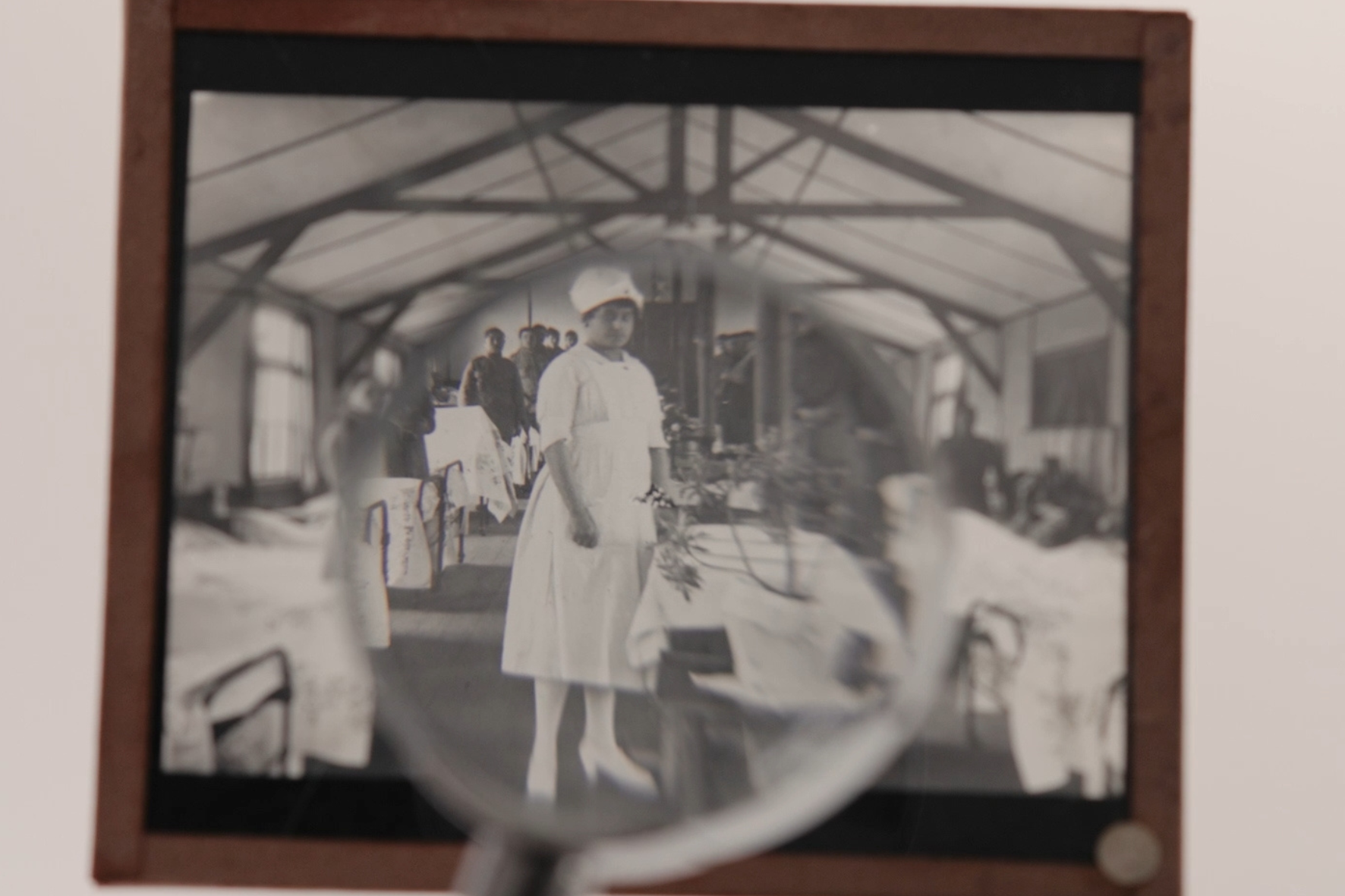
“Gentlewomen” by Cláudia Alves | Portugal | 93’ | doc | 2026 | National Premiere
Synopsis:
During the First World War, the struggle also belonged to women. A group of upper‑class ladies volunteered to go to France as Red Cross nurses, also known as “dama enfermeiras”. Beyond tending to the wounded and sick, they had another mission: to build a hospital from scratch. Where did they come from? What families did they leave behind? What feelings did they live through there? What were the desires, disillusions and dreams of these women?
Cláudia Alves:
Filmmaker and art educator living between Lisbon and Paris. She trained in directing at the International School of Film and Television of San Antonio de los Baños (Cuba). She previously earned a degree in Painting from the Faculty of Fine Arts of Lisbon. During her trajectory in the visual arts, she studied at the Brera Academy of Fine Arts in Milan and at the University of Barcelona. Cláudia has worked as a director as well as a cinematographer on several documentaries in Portugal, Cuba, and India, and has also served as assistant director on other authors’ projects. Her work as a director explores cultural differences, personal memories, and collective memory.
Her filmography includes Sobre Viver, Brigada Intramuros, El Carteiro, Compacta y Revolucionaria e Tales on Blindness. Alongside french video-artist Irvin Anneix, she co-directed the Portuguese-French season of the webseries “Cher Futur Moi”. Whilst directing the RTP documentary A Vida nas Trincheiras, she discovered the story that would inspire her most recent film Gentlewomen (Damas) (Ukbar Filmes, premiering in 2026, at RTP). She’s currently preparing, also with Ukbar Filmes, a television movie that will feature in the RTP1 series “Contado por Mulheres”.
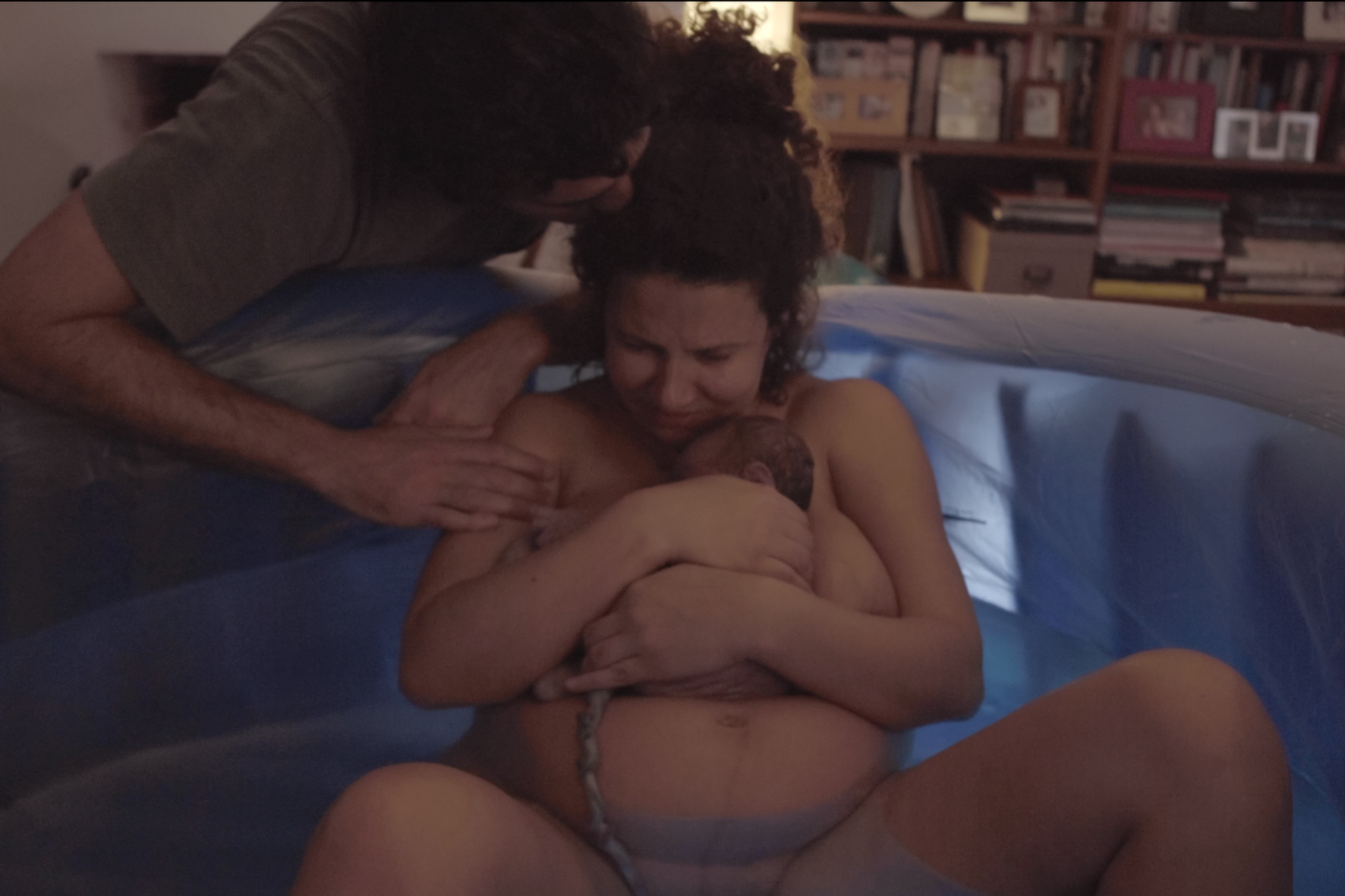
“Guardians of Birth” by Francisca Marvão | Portugal | 68’ | doc | 2025 | World Premiere
Synopsis:
Guardians of Birth is a film about humanized, empowered, informed, and conscious childbirth. It invites reflection on birth, sharing of knowledge and stories, and dialogue about how we are born in Portugal.
Francisca Marvão:
Francisca Marvão is a film director with a degree in Cinema, Video and Multimedia Communication from Universidade Lusófona. Her documentary work focuses on memory, identity, and forms of resistance. In 2017, she premiered the short film Stillness in the Intensity of the Colors at Doclisboa and, in 2019, her first feature film, She’s a Song, about women and rock in Portugal, premiered at IndieLisboa. She recently completed the films Guardians of Birth, which will premiere in Porto Femme 2026, and Who Is Afraid of Zurita de Oliveira?, which will premiere at IndieLisboa 2026. In 2023, she co-founded Uma Ova – Cultural Association with Diana Martins, where she develops transdisciplinary projects.
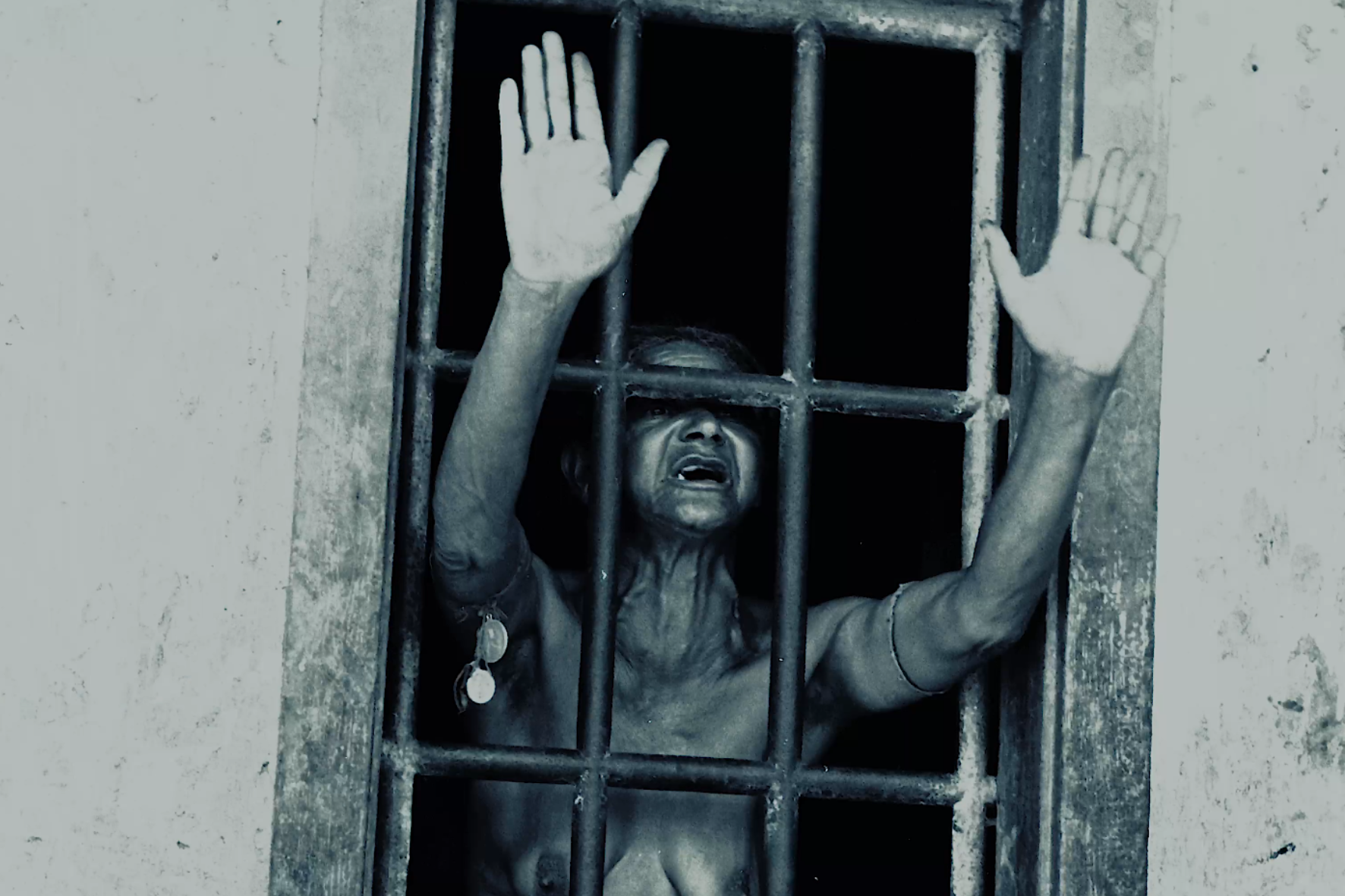
“I Wanted to be Everything” by Luisa Costa Pinto | Portugal | 47’ | doc | 2025 | World Premiere
Synopsis:
I Wanted to Be Everything addresses the horrors of processes carried out in total institutions - mental asylums and prisons - during periods of oppression, here focused on Brazil, and reflects autocratic policies that seek to erase any ideological or behavioral dissent under authoritarian regimes. Although these cases also affected men, this documentary’s primary focus is on women: those compulsorily institutionalized, falsely diagnosed as insane for defying norms, and those who were imprisoned and persecuted by the “dictatorships,” victims of years of persecution, sexual violence, intimate violence, and torture. I Wanted to Be Everything is a plea against forgetting these human rights violations, a call to the duty of memory so that history does not repeat itself.
Luísa Costa Pinto:
Luisa Pinto PhD in Art Studies, variant in Theatre and Performance Studies, from the Faculty of Arts of the University of Coimbra. Postdoctoral degree in Performing Arts from USP - University of São Paulo. Director, actress and lecturer in higher education at the Porto Higher School of Arts (ESAP) and the University of Trás-os-Montes and Alto Douro (UTAD). She is a researcher at the Arnaldo Araújo/ESAP Study Centre. She has published works and gives lectures in the field of Theatre and Performing Arts in several national and international events. As a theatre director, she has staged more than thirty plays.
Between 2007 and 2015 she was Art Director of the Constantino Nery Municipal Theatre in Matosinhos. She was co-director of the documentary Breaking through the prison walls and co-director of the film-concert The prodigal son. The documentary I Wanted To Be Everything came out of a huge amount of research.
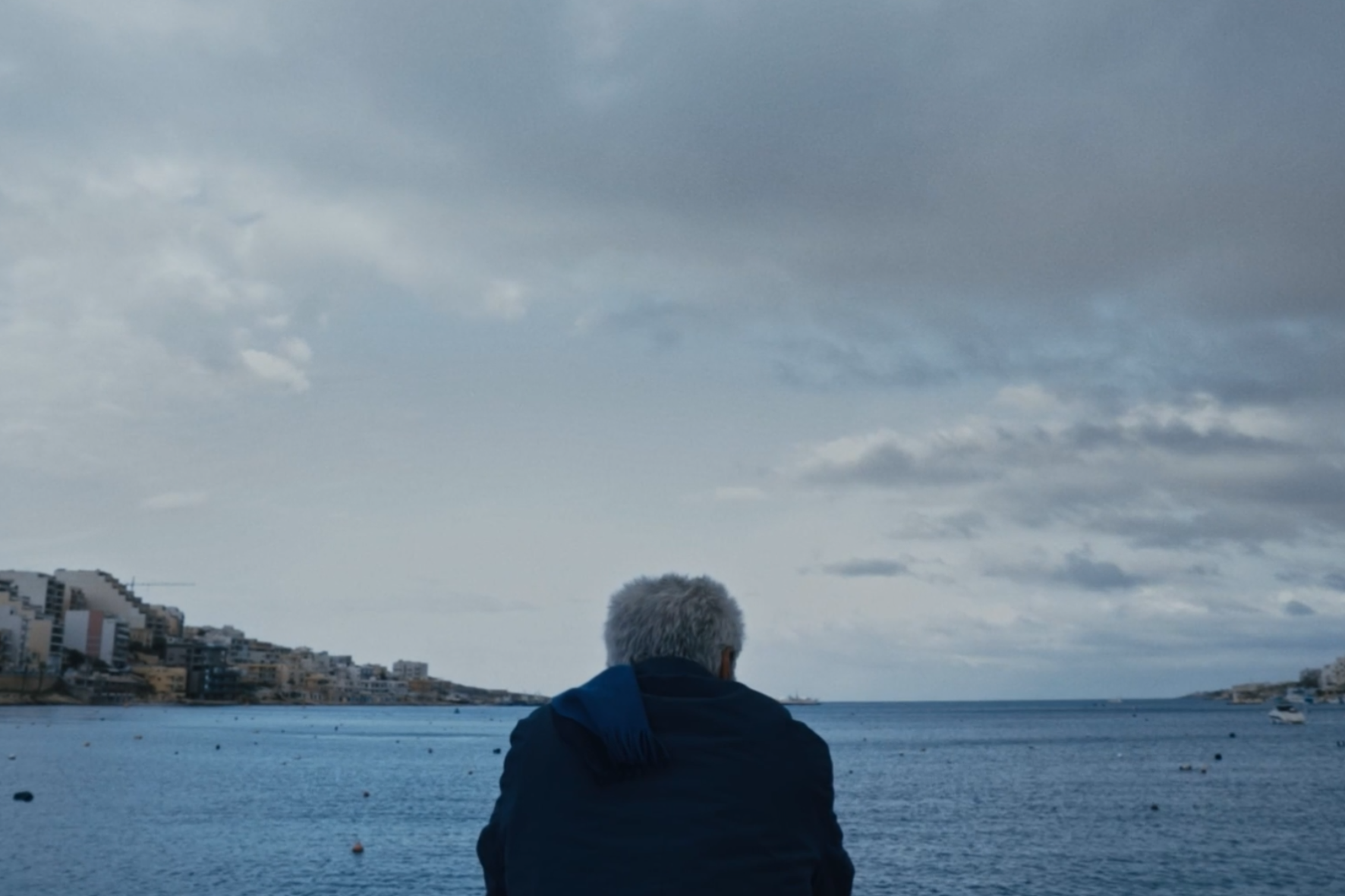
“Fragmented” by Balolas Carvalho, Tanya Marar | Malta, Portugal | 7’ | doc | 2024 | Regional Premiere
Synopsis:
A pioneer of journalism in Gaza, now retired and a former political prisoner, made the impossible decision to leave his homeland after 25 days of genocide and head to Malta. His escape is not only a matter of personal survival but a desperate attempt to honor his daughter's plea for a chance at a shared future. Fragmented is a collection of memories that confronts the human cost of the Israeli military occupation and the persistent struggle for justice in Palestine.
Balolas Carvalho & Tanya Marar:
Balolas Carvalho is a Portuguese independent journalist and documentary filmmaker focused on Human Rights, International Affairs and decolonization movements. With a strong belief in the power of community, Balolas is moved to inspire a regenerative way of being more politically aware, ethically driven, and heart connected.
Tanya Marar is an Arab cinematographer and filmmaker based between Jordan and the UK. She seeks to tell stories that resonate within herself, in hopes that the resonance is felt by others.
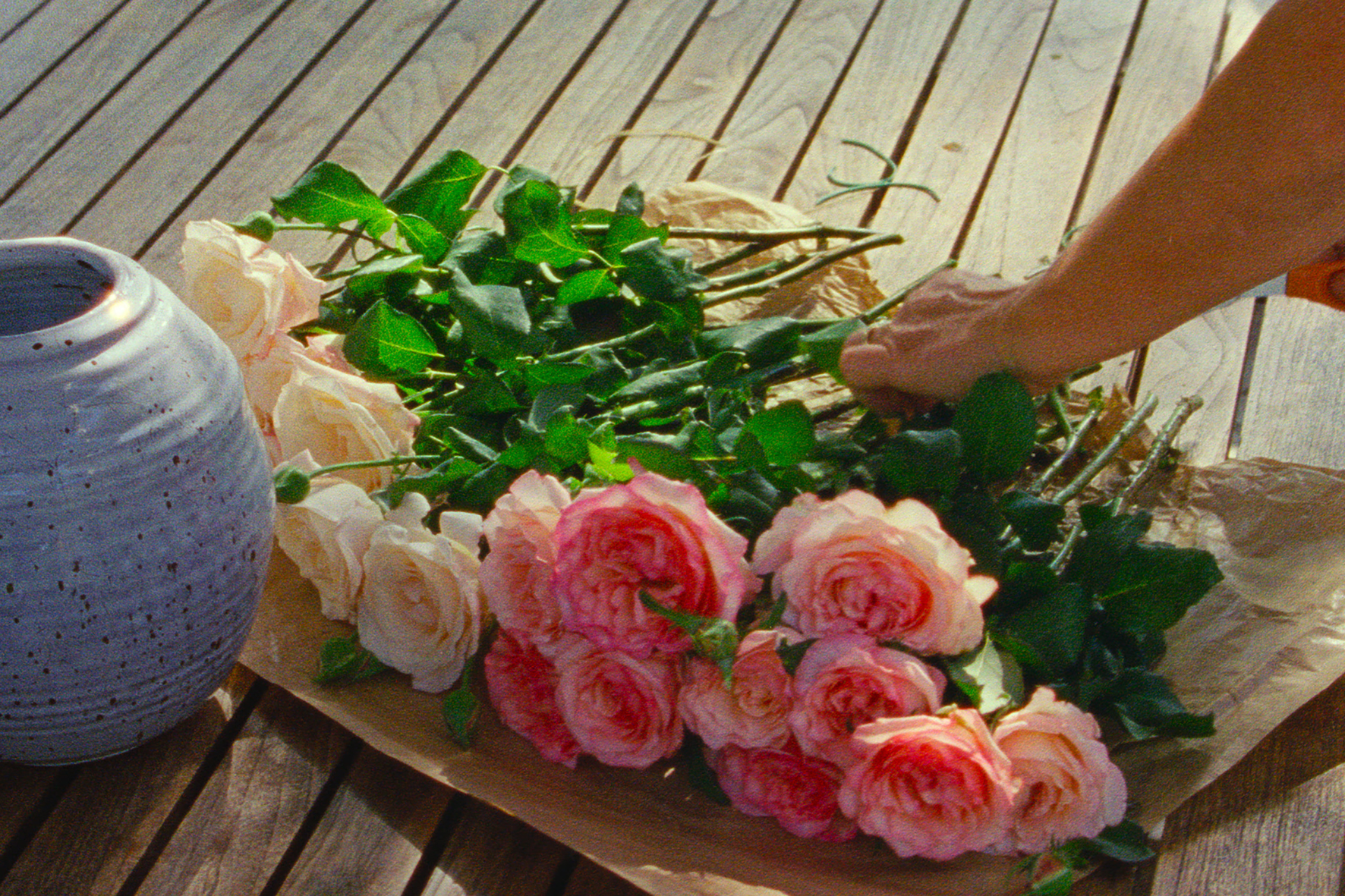
“The inhabitants” by Maureen Fazendeiro | Portugal, France | 41’ | doc | 2025
Synopsis:
A commuter town in the suburbs of Paris, with its housing developments inspired by the American model, its rose and vegetable greenhouses, its inhabitants. It's winter and a camp of Roma people has settled in town. While the majority of the neighbours are displeased and demand that the newcomers be expelled, a few women are trying to help them inhabit the land they occupy.
Maureen Fazendeiro:
Maureen Fazendeiro (1989, Créteil, France) is a filmmaker and screenwriter. She studied Literature, Art and Film at Université Denis Diderot in Paris. Her short and mid‑length films Motu Maeva (FID 2014), Sol Negro (TIFF 2019) and Les Habitants (Cinéma du Réel 2025) have screened worldwide at festivals, cinemateques, museums and exhibitions.
In recent years she has divided her time between individual projects and collaborations with Miguel Gomes, as casting director and screenwriter (Grand Tour, Cannes Official Competition 2024). Together they co‑directed Diários de Otsoga (Directors’ Fortnight, Cannes 2021). Her feature film As Estações (The Seasons) premiered in competition at Locarno in 2025. She lives in Lisbon, Portugal.
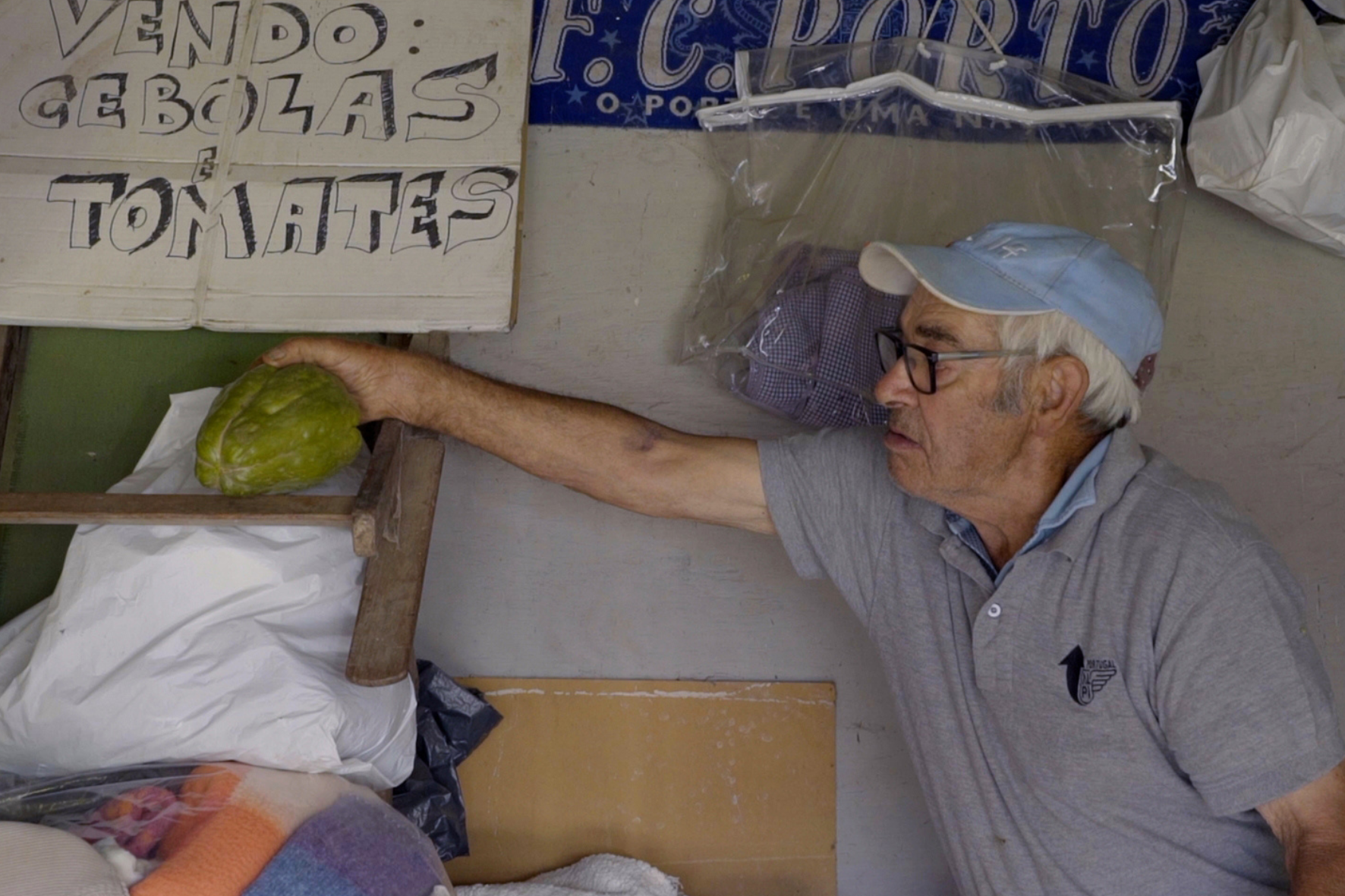
“Variations on How to Farm a City” by Mónica Martins Nunes | Portugal | 29’ | doc, exp | 2024
Synopsis:
Sprout.
In the vacant lots against the hammering of buildings always under construction, between walls of granite, cement and sheet metal with rust, moss and cats; on the hillside between the train and the river, next to the traffic on the highway, facing the subway, vegetable gardens sprout.
In this city, the choreography of ancient gestures of cultivating the land is repeated day after day, without fail. Sowing, digging, harvesting, watering, eating, talking, resting, returning the next day and starting again. The longest day of the year brings S. João and nobody goes to bed, but when the sun rises, the discreet gestures of resistance will restart.
Mónica Martins Nunes:
Mónica Martins Nunes (b.1990, Portugal) In her films and sculptures, she looks to unearth the poetry and subversive potential of materials, places, traditions and ways of living that discreetly exist and resist, in the shadow of a fast and seemingly all-encompassing society.
Her first film Na Cinza Fica Calor premiered at IndieLisboa and won Best International Short Documentary at DOK Leipzig. Her second, Sortes, premiered at Visions du Reél and was awarded the German Short Film Award for Best Medium Length Film. Both were shot with time and attentiveness with a one woman team. Since then she started a collaboration in a shared creative process with Deniz Simsek, which resulted in detours while speaking of monsters, that premiered at Berlinale Forum Expanded and won the German Short Film Award for Best Experimental Film, among others.
And now with a new film Variations on How to Farm a City that grew from the vegetable gardens sprouting across the city of Porto.

