"LABOURS"
Days: 22 - 25 April
Time: 19h15
Venue: Batalha Centro de Cinema
“There is nothing to say,” my mother used to say, and it is in that “nothing” that I am working.
What is work? And women’s work?
Labours.
Women’s work is situated below work itself, and to a large extent, women’s cinema is still created below cinema. It doesn’t matter. We occupy the lines in between, the cracks, the borders between the genres that the dominant gender has established; we work with other languages, things only they know. We call upon Solveig Nordlund, Isabel de Castro, Claire Simon, Miou Miou, Sara Gómez, Suzanne Zedet, María Galindo, Susana Nobre, Joana Ferreira, Marta Lança, Jodie Mack, Regina Guimarães, Diana Regal, Filipa César, Diana McCarthy, Joana Barrios, Íris Silva and so many more. Their cinematic labours sprout in the gaps between theatre and cinema, propaganda and censorship, the collective and the political subject, the classes and the margins, the social and the personal, documentary and fiction, memory and archive, the machine and the hand.
With them we weave the threads of the conversations we have been having, in the warmth of your kitchen, in the half‑light of WhatsApp, in the corridor between two tasks. The lavores are all the kinds of work that do not fit within work itself, from peas to sex, from childbirth to dirty laundry, the history of our domestication and of our revolts.
It begins below work, below politics, and even below the home. In the beginning there are the gestures that you and I repeat, the ones only they know. threshing, peeling, cutting, adjusting, mending, tidying… At the start of each session, a small gesture. A grandmother filmed by her granddaughter.
She peels carrots. And repeats it in the next session. Because that is work. Repeated every day. Unable to define work, we can peel it, strip it bare in front of the camera, and perhaps we come closer by repeating the small gesture, which repeated never repeats itself.
The home is a factory without a siren. Shadow work, house work, struggle work, birth work, hand work…
Shadow. The work after work. At dusk, Music for You details the domestic routine, the solitary dissolution of oneself in the silence in which the voices of the radio collapse the inner world with the outer one.
Home. The tiny episodes of Scènes de Ménage present themselves as a ritual rehearsal of the small conflicts of daily life, micro‑negotiations of the affective economy in calculated gestures. Meanwhile, Mi aporte by Sara Gómez, commissioned to demonstrate women’s participation in the Revolution, reveals the persistence of the patriarchal organisation of labour. The voices of women break through the confined silence of the private sphere and expose the mismatch between discourse and the invisible structure that contradicts it.
Struggle. If domestic labour is often isolated, Struggle reinscribes it within the collective. In Classe de lutte we search together for that rare moment of taking political speech, the emergence of Suzanne as a subject, in an act of collectivising the gesture of filming. Revolución Puta categorically rejects the process of progressive legitimisation and the rotten social peace through direct action, confronting the limits of the categories of labour, dignity, exploitation, and representation.
Childbirth. In Año Uno, Sara Gómez weaves her personal experience of motherhood with a social portrait of that extended time of reproduction in Cuban society. She presents the newly created childcare centres as a collective solution, but also as a management device. Estados da matéria and Tempo Comum they rehearse, in different durations and gestures, the same search. In them, the care of parenthood and the reconfiguration of time are worked through, questioning the distinction between work and “non‑work”.
Hands. The (endless) archive of textile gestures, between variation and reproduction, sets the tone for a session (finally) dedicated to the labour of needlework traditionally carried out by women. The Blanket Statement by Jodie Mack work the exhaustion of forms through repetition, in collage‑like games between industry and handmade labour. In Moiras a group of women from the Alentejo reclaim the land, the wool that the market rejected, and the songs that are the living memory of struggles fought and, today more than ever, still to be fought. In In Crioulo quântico the cloth emerges as a technology of inscription and memory, weaving the threads that connect so‑called traditional practices and contemporary information structures, an instrument and expression of the historical processes of domination and resistance.
| PROGRAM |
Shadow
Cenoura em Partes by Íris Silva | 2025 | Portugal | 2’
Música para si by Solveig Nordlund | 1978 | Portugal | 55’’57’
Home
Cenoura em Partes by Íris Silva | Portugal | 2025 | 2’
Scènes de Ménage by Claire Simon | France | 1991 | 50’ (10 x 5’)
Mi aporte by Sara Gómez | Cuba | 1969/72 | 33’
Struggle
Classe de Lutte by Groupe Medvedkine de Besançon | France | 1969 | 37’
Revolución Puta by Maria Galindo | Bolivia | 1993 | 52’
Childbirth
Año Uno by Sara Gómez | Cuba | 1972 | 10’
Estados da matéria by Susana Nobre | Portugal | 2006 | 15’
Tempo Comum by Susana Nobre | Portugal | 2018 | 64’
Hands
Blanket Statement #1: Home is Where the Heart is by Jodie Mack | USA | 2012 | 3’
Blanket Statement #2: All or Nothing by Jodie Mack | USA | 2013 | 4’
Moiras by Regina Guimarães & Saguenail | Portugal | 2008 | 30’
Quantum Creole by Filipa César | Portugal, Guinea‑Bissau, Germany, France | 2020 | 40’
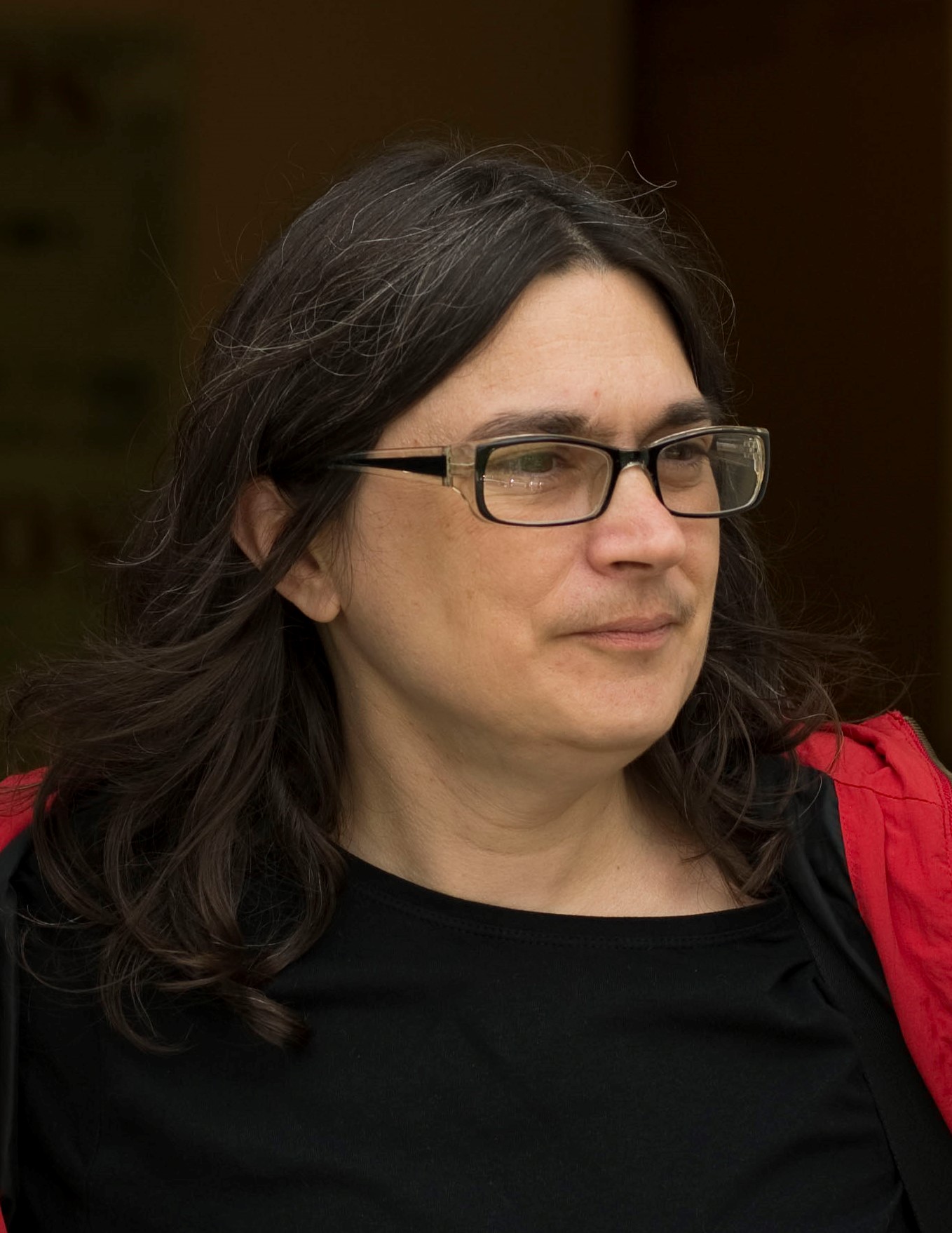
Amarante Abramovici | She/Her
Amarante Abramovici:
Amarante Abramovici graduated in filmmaking at La Fémis, in Paris, and directed Circa Me (2002), GAIA (2004), Mouvements pour des accouchements imaginés (2002), Dezembro (2008), semailles | setembro (2016), junho (2024), and collaborative films such as A Cultura do Capital (2003), Travelling 70’–76’ (2007), A Colher (2010), Rasura (2019), and residência (2025). She was a programmer at CasaViva, at Confederação, at Panorama – Mostra do documentário português, at Doclisboa, and at the Doc’s Kingdom seminar. She collaborates regularly on educational projects focused on cinema and teaches Cinema and Video at ESAP. In addition to participating in exhibition projects, she collects, digitises, and studies the archives of amateur 8mm filmmakers.
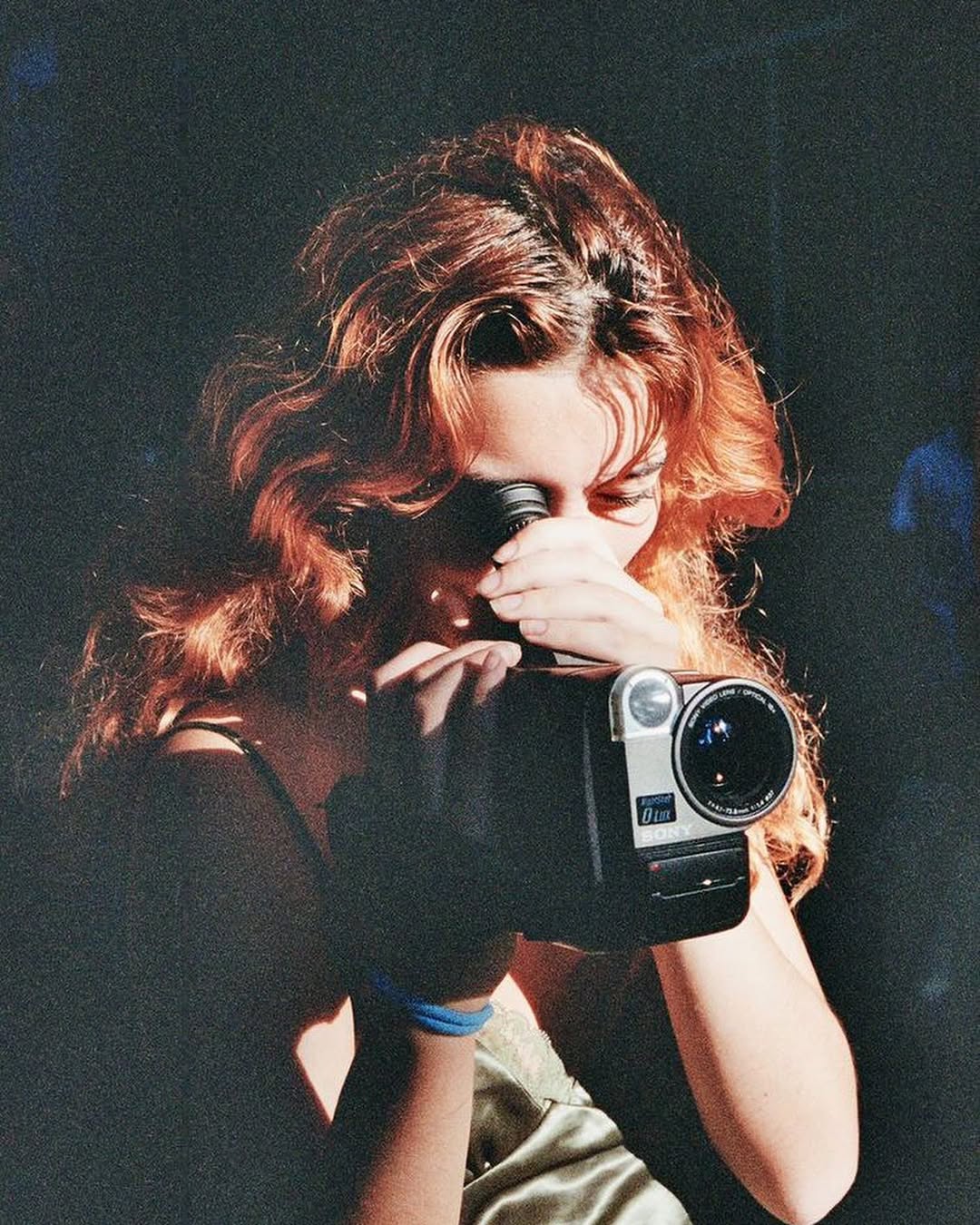
Beatriz Diniz | She/Her
Beatriz Diniz:
Beatriz Diniz holds a degree in Cinema and Audiovisual and is currently a Master’s student in Directing. She develops work between filmmaking practice, programming, and research. She has collaborated with film clubs, festivals, and cultural contexts, integrating the pre‑selection team of the Porto Femme International Film Festival. She is currently developing the project TOSHiiB4, in the field of visual creation, in collaboration with Luísa Guerra, the winning project of the 8th edition of the Amélia Rey Colaço Grant.

